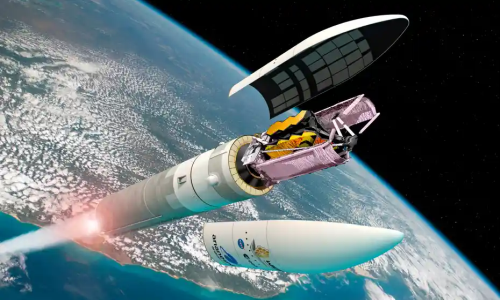
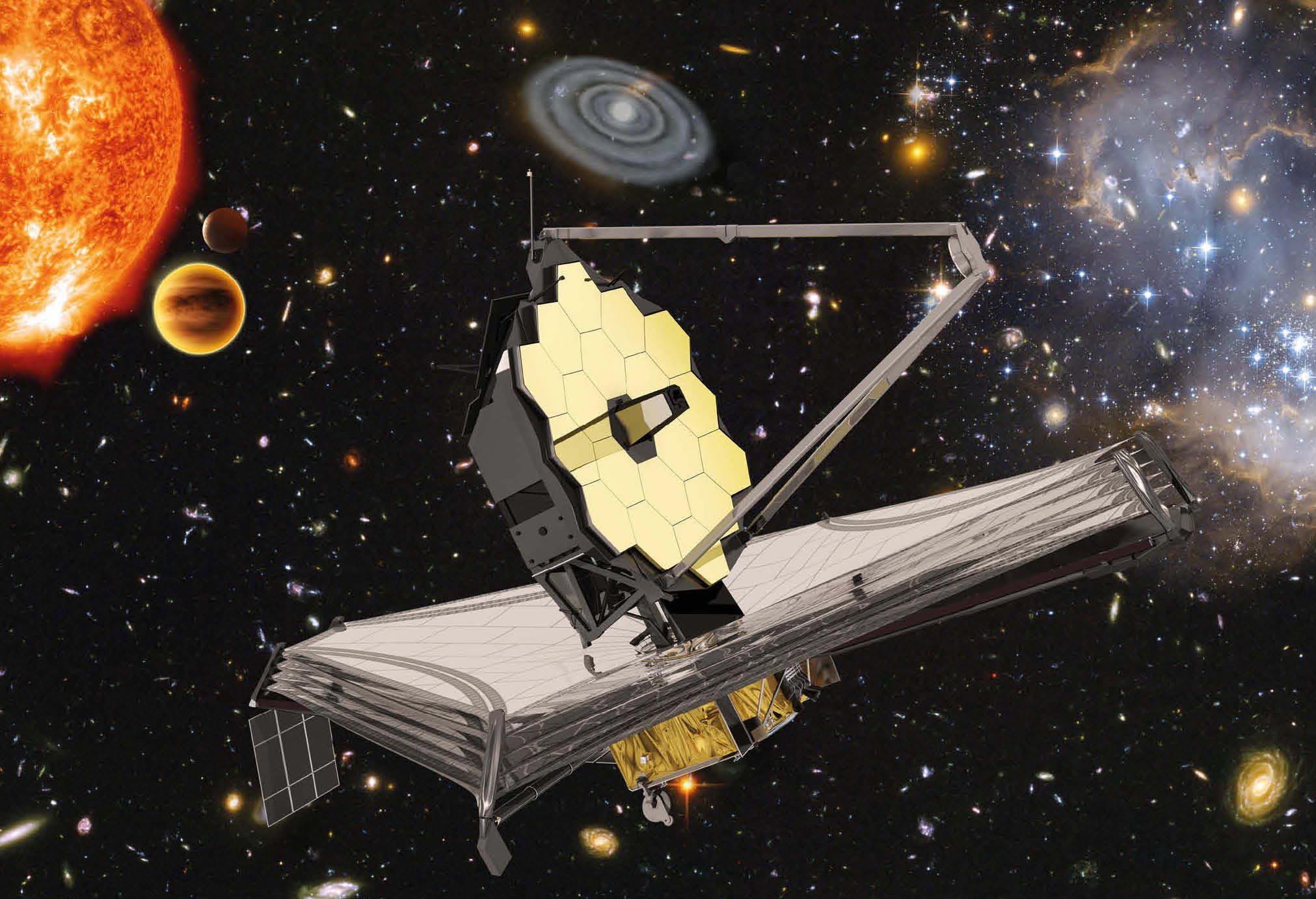
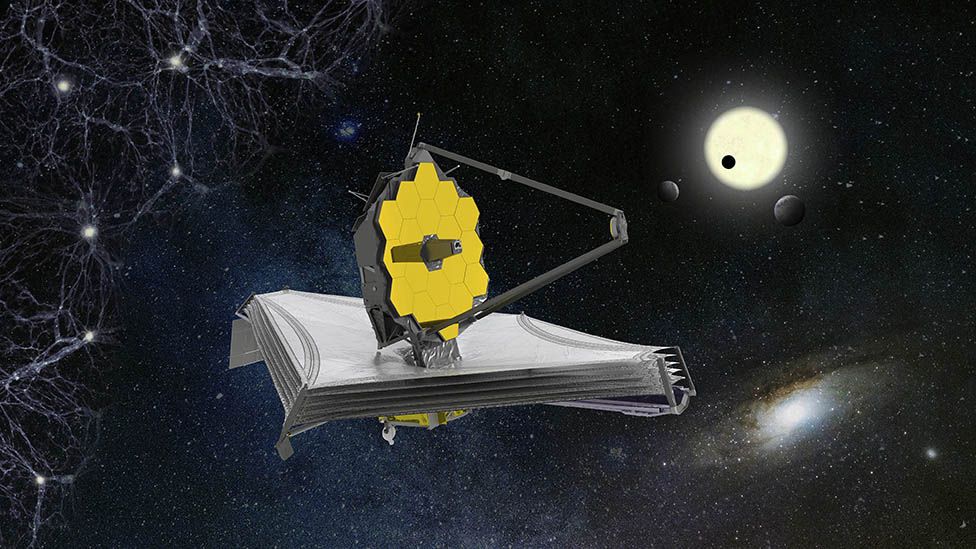
NASA’s James Webb Space Telescope – https://www.flickr.com/photos/nasawebbtelescope/51774831484/ Arianespace’s Ariane 5 rocket launches with NASA’s James Webb Space Telescope onboard, Saturday, January 8th, 2022, from the ELA-3 Launch Zone of Europe’s Spaceport at the Guiana Space Centre in Kourou, French Guiana. The James Webb Space Telescope (sometimes called JWST or Webb) is a large infrared telescope with a 21.3 foot (6.5 meter) primary mirror. The observatory will study every phase of cosmic history—from within our solar system to the most distant observable galaxies in the early universe. Photo credit: NASAThe James Webb Space Telescope is a space telescope developed by NASA with contributions from the European Space Agency, and the Canadian Space Agency. The telescope is named after James E. Webb, who was the administrator of NASA from 1961 to 1968 and played an integral role in the Apollo program. Wikipedia
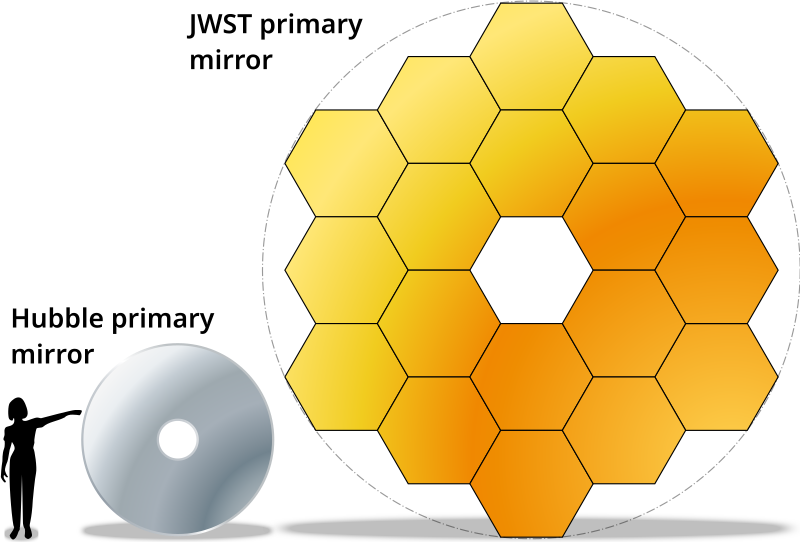
Comparison of Webb with Hubble Primary Mirrors
முப்பெரும் விண்வெளி நிறுவங்கள் ஒப்பற்ற ஒரு பெரும் விண்வெளி ஆய்வுத் தொலைநோக்கியை ஏவி உள்ளன.
2022 ஜனவரி 8 ஆம் தேதி காலை 7:20 மணிக்கு, நாசா, ஈசா, சீசா [ NASA, ESA, CSA] [NATIONAL AERONAUTICAL & SPACE ADMINISTRATION, EUROPEAN SPACE AGENCY, CANADIAN SPACE AGENCY] ஜேம்ஸ் வெப் எனப் பெயர் பெறும் பெரும் தொலைநோக்கியை, [James Webb Telescope] ஈசா ஏவுதளம் பிரென்ச் கயானாவி லிருந்து ஏரியான்-5 ராக்கெட்டில் ஏந்தி, பூமியைச் சுற்றி ஆய்வு செய்ய வெற்றி கரமாக அனுப்பி உள்ளது. இப்போது இயங்கி வரும் ஹப்பிள் தொலைநோக்கி துவங்கிய அண்டவெளித் தேடலை, வெகு தூர ஒளிமந்தைகள் [GALAXIES] ஆய்வை, தூரத்து உலகங்கள் அமைப்பை, ஜேம்ஸ் வெப் தொலை நோக்கி தொடரும். அப்பெரும் பணிகளை உலக முப்பெரும் விண்வெளி நிறுவகங்கள் ஒன்று கூடி, பூர்வீகப் பேபி பிரபஞ்சம், முதல் ஒளிமந்தை, நமது சூரிய மண்டலம், அண்டைச் சூரிய மண்டலக் கோள்கள் ஆகிய வற்றின் தோற்றங்களை ஆய்வு செய்ய தங்க முலாம் பூசிய 21 அடி முதன்மைக் கண்ணாடி உள்ளது..
ஏவிய 27 நிமிடத்தில் விண்வெளி நோக்கச் சிமிழ் ஏரியன்-5 ராக்கெட்டிலிருந்து பிரிந்து, பூமியிலிருந்து சுமார் 870 மைல் [1400 கி.மீ.] உயரத்தில் பூமியைச் சுற்ற ஆரம்பித்தது. அடுத்த மூன்று நிமிடத்தில், வெப் தொலைநோக்கியின் சூரியத் தட்டுகள், விரிந்து விண்சிமிழ் சூரிய சக்தியில் இயங்கியது.
ஜேம்ஸ் வெப் தொலை நோக்கி இப்போது பூமியிலிருந்து ஒரு மில்லியன் மைல் தூரத்தில், பூமியோடு சேர்ந்து, ஒரு நேர் கோட்டில் சூரியனைச் சுற்றி வருகிறது.
On Thursday, November 17, 2011, the House and Congress came to an agreement for the fiscal year 2012 budget that includes funding for NASA and approves the full requested funding for the James Webb Space Telescope (JWST), the successor to the magnificent Hubble Space Telescope. The Webb, which came under fire in July 2011 when the House proposed cutting its funding entirely, will receive $529.6 million, the amount required for it to stay on track for its planned 2018 launch.
Here are five cool things – which you might not know – about the JWST project.
1. The James Webb will unfold in space. It’s being launched on an Ariane 5 rocket, provided by the European Space Agency (ESA). But because of its massive size — it’s as big as a tennis court and about 40 feet (12 meters) high — it must be folded up for the trip. Many features of the telescope, such as the hexagonal shape of the mirrors, were designed to enable the unfolding process. Check out the video below for a glimpse of how Webb’s unfolding will take place.
2. The Webb will be nearly 1 million miles from Earth. To be exact, it’ll be 940,000 miles (about 1.5 million kilometers) from Earth.
Webb will orbit at the Second Lagrangian Point. Credit: NASA
It’s being sent to what’s known as the L2 – the second Lagrangian point in the Earth/sun system. The Lagrangian points are named for Joseph Louis Lagrange, who realized that there would be stable or semi-stable points in the vicinity of every two orbiting bodies in space. In other words, every time you have two orbiting bodies, you also get five Lagrangian points. At these points, a third body can maintain a relatively stable orbit without the heavy usage of thrusters and propellants. In this case, the sun and Earth are the two bodies in space. The Webb Telescope will orbit the L2 point in the Earth/sun system, which means it will follow Earth around the sun, always in a straight line with the Earth and sun. Its orbit will be far from Earth – beyond the moon’s orbit. For comparison, the Hubble Space Telescope is 380 miles away in low Earth orbit.
3. The Webb Telescope’s 18 mirrors are coated in a thin layer of 24-karat gold. Webb’s purpose is to read infrared light, the wavelength of light that is emitted by the farthest objects in the universe. Gold reflects red light better than other materials, making the mirror 98 percent reflective, rather than the 85 percent achieved by ordinary mirrors.
Webb
4. The Webb Telescope’s science instruments will operate at temperatures near absolute zero, the theoretical temperature at which all molecular and atomic motion ceases.
Webb
Everything that exists emits infrared radiation, which is produced from the vibration of atoms. The colder something is, the less infrared it emits. Because Webb is designed to work in the infrared, but emits infrared itself, it must be kept as cold as possible to keep its interference with itself at a minimum. Webb’s massive sunshield divides the telescope into a hot side, with temperatures around 185 degrees F, and a cold side, around -388 degrees F, or 40 Kelvin. In contrast, the coldest temperature ever recorded on Earth was -129 degrees F.
5. Planning for the Webb telescope began in 1995. Just five years after Hubble launched, scientists at the Space Telescope Science Institute (STScI) in Baltimore, Md., first envisioned what its successor would look like, knowing it would take many years to bring this vision to fruition. Now the Webb is scheduled to be launched in 2018, and it’s a safe bet that astronomers soon will begin imagining an instrument to extend our vision with a telescope even grander and more powerful than the Webb.
மொராக்கோ நாட்டில் மிகப்பெரும் சூரியக்கதிர் மின்சக்தி நிலையம்
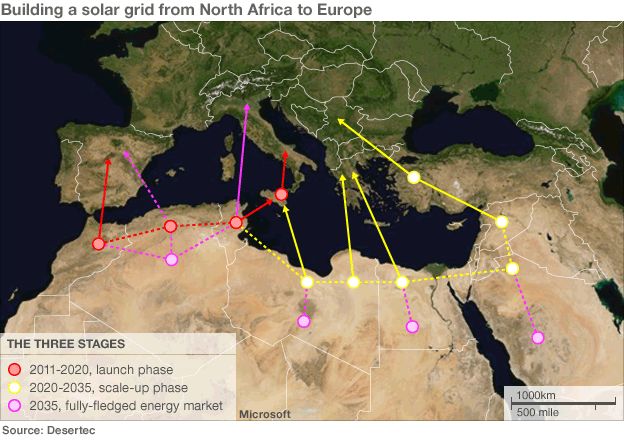
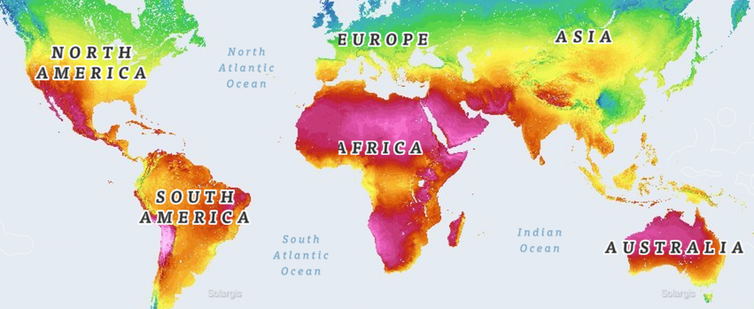
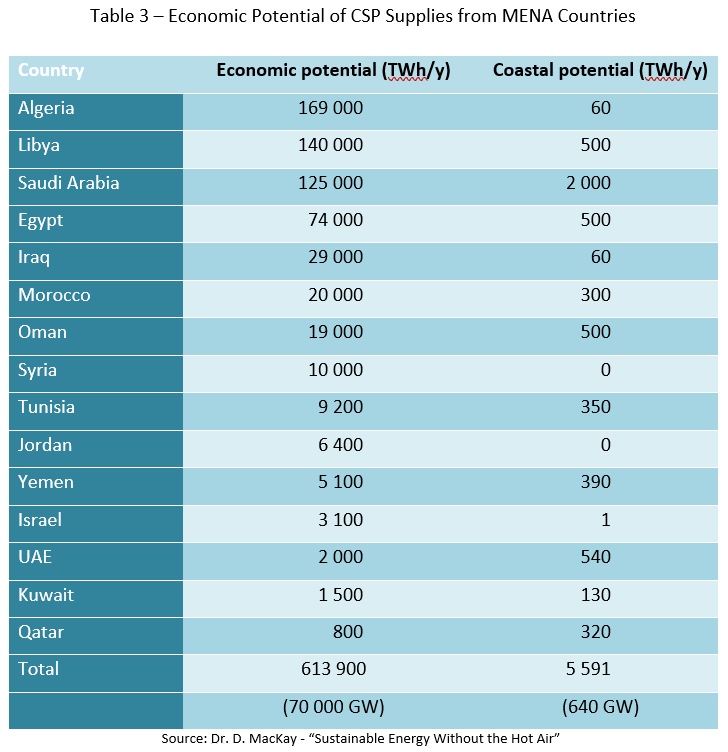
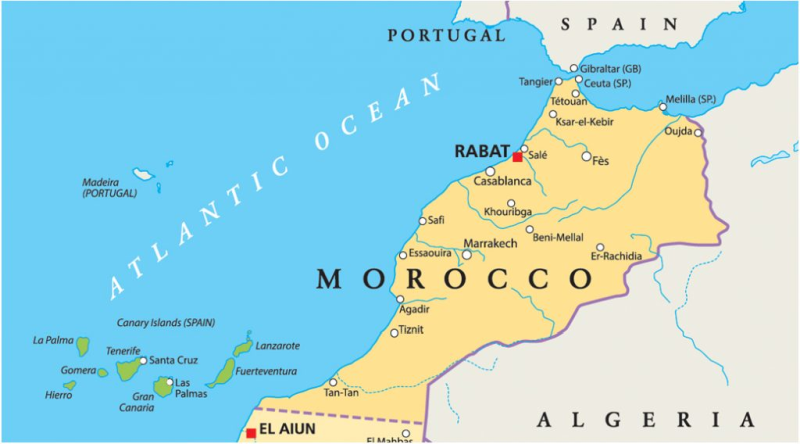
முதன்முதல் மொராக்கோ நாட்டில் மிகப்பெரும் சூரியக்கதிர் மின்சக்தி நிலையம் அமைக்க உலக வங்கி 519 மில்லியன் டாலர் நிதி உதவி அளிக்கும் என்று 2014 அக்டோபர் 3 ஆம் தேதி உறுதி கூறியது. ஆப்பிரிக்க நாடுகளிலே மொராக்கோ போல் சூரிய ஒளி கிடைக்கும் நாடு வேறொன்றில்லை. வருடம் ஒன்றில் சுமார் 3600 மணிநேரம் மொராக்கோ பாலை வனத்தில் சூரிய ஒளி பெற முடிகிறது. ஸஹாரா பாலை வனத்தின் சராசரி சூரிய ஒளி ஆண்டுக்கு 3117 மணிகள். உச்ச உஷ்ணம் ஸஹாராவில் 77 டிகிரி C [170 டிகிரி F ]. மொராக்கோ 9 பில்லியன் டாலர் நிதி ஒதுக்கி, உலகிலே மிகப் பெரும் சூரியக்கதிர் மின்சக்தி நிலையத்தைக் கட்டுமானம் செய்யத் திட்ட மிட்டது. மொராக்கோவின் குறிக்கோள் 2020 ஆண்டுக்குள் 5 சூரியக்கதிர் மின்சக்தி நிலையங்கள் [Photovoltaic, Concentrated Solar Power, Solar Steam turbine types ] கட்டி முடிக்க வேண்டும் என்பதே. அவ்விதம் முடியும் போது சூரியக் கதிர் மின்சக்தியின் பயன்பாடு 38% சதவீதம் இருக்கும்.
மொராக்கோ நாடு ஒன்றுதான் [1400 MW or 2100 MW Capacity Under Sea Cable Link ] ஐரோப்பாவுடன் [ஸ்பெயின்] 9 மைல் (15 km) நீண்ட கடலடி மின்வடத் தொடர்பு வைத்துள்ளது. முதல் சூரியக்கதிர் நிலையம் 2015 இல் இயங்கத் துவங்கியது. 2017 இல் 5750 GWh மின்னாற்றல் ஸ்பெயின் மொராக்கோவுக்கு அனுப்பியது. இப்போது மொராக்கோ ஸ்பெயினுக்கு சூரியக்கதிர் மின்சக்தி அனுப்பும் காலம் வந்துவிட்டது.
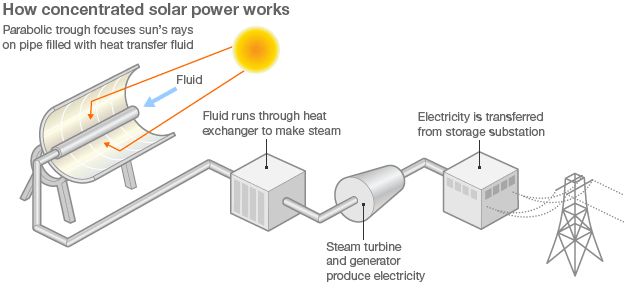
திட்டமிட்ட ஐந்து சூரியக்கதிர் மின்சக்தி நிலையங்களுள் முதலாக ஒன்று 500 MW யூனிட் மொராக்கோ தென் பகுதியில் உள்ள ஓரட்ஸாசாட் [Ouratzazate] நகரில் கட்டப்பட உள்ளது. 2013 மே மாதம் 10 இல் கட்டுமானம் ஆரம்பமானது. திட்டம் முக்கட்டப் போக்கில் [160 MW சூரியக்கதிர் குவிப்பு நிலையம், 200 MW விரிவு வட்ட நிலையம் & 150 MW சூரிய அடுப்பு நிலையம்] நிறுவகம் ஆனது. [Noor 1 (160 MW Concentrated Solar Power Plant), Noor 2 (200 MW Parabolic Mirror Plant), Noor 3 (150 MW Solar Trough Plant ]. புது நிலையங்களில் பயன்படும் விரி வளைவுச் சூரிய எதிர் ஒளிக் கண்ணாடித் தட்டுகள் [Solar Parabolic Mirrors] 12 மீடர் [39 அடி] உயரம் உள்ளவை. சூரிய வெப்பத்தை குவித்து உறிஞ்சும் திரவக் குழல்கள் 390 டிகிரி செல்சியஸ் [740 டிகிரி பாரன்ஹீட் ] அளவீட்டில் ஓடுபவை. அந்த நிலையங்கள் நாள் ஒன்றுக்கு 20 மணி நேரம் மின்சக்தி அனுப்புபவை. நூர் 1 [Noor 1] சூரியக்கதிர் நிலையத்தில் 500,000 வளைவுக் கண்ணாடிகள் [Parabolic Mirrors] 800 அணி வகுப்பில் அமைக்கப் பட்டுள்ளன. இந்த மாடல் நிலையம் அமெரிக்கா காலிஃபோர்னியா – நெவேடா, எல்லைப் பக்கம் மொஹாவி பாலை வனத்திலும் உள்ளது. 2.2 பில்லியன் செலவில் 400 MW திறனில் உருவாகும் “இவான்பா” [IVANPAH ] சூரியக்கதிர் மின்சார நிலையம் 5 சதுர மைல் பரப்பில், நாற்பது மூவடுக்குக் கோபுரத்தில் ஆயிரக் கணக்கான சூரியக் கண்ணாடிகளால் இயங்கி வருகிறது. இவான்பா சூரியக் கதிர் நிலயம்140,000 இல்லங்களுக்கு மின்சக்தி பரிமாறும் திறம் உடையது.
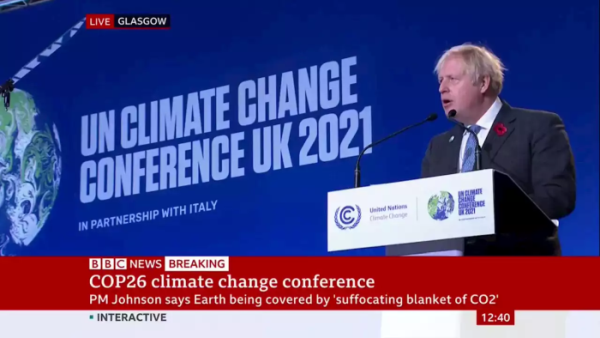
2021 காப்பு-26 [COP-26] பேரரங்கம் செய்த தீர்மானங்கள்
வரம்பு குறிக்கோள் உஷ்ணம் 1.5 C என்பது மாறவில்லை.
ஆண்டுக்கு 1.4 பில்லியன் டன் கரிவாயுக் குறைப்பு நல்ல முயற்சி.
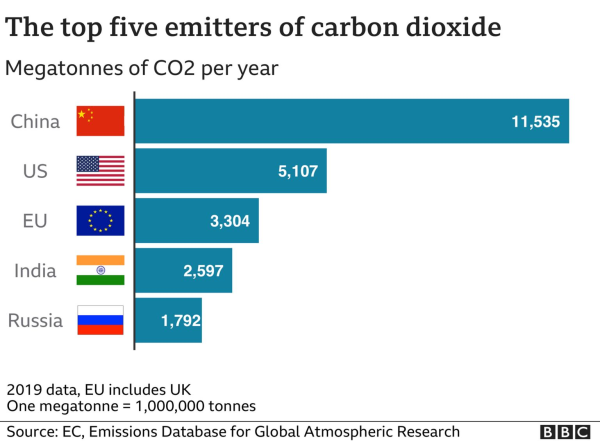
சைனா உலகப் பூகோளக் கரி வெளியேற்றத்தில் 30% பங்கு பொறுப்பு
மற்ற நாடுகள் 70% அளவுக்குப் பொறுப்பு.
சைனா, ரஷ்யா, ஆஸ்திரேலியா, இந்தியா ஆகிய நாடுகள் நிலக்கரி பயன்படுத்தி வருகின்றன. [2021] காப்பு-26 பேரரங்கில் ரஷ்யா, சைனா கலந்து கொள்ளவில்லை.
சைனா பேரளவு சூரிய, காற்றாடி எரிசக்தி மீள்புதிப்பு சாதனங்கள், எலெக்டிரிக் வாகனங்கள், பஸ்கள் பயன்படுத்தி வருகிறது.
இந்தியப் பிரதமர் மோடி 2070 ஆண்டில்தான் பூஜிய விஷவாயுச் சூழ்வெளி இந்தியாவில் கொண்டுவர இயலும் என்று அறிவித்தார்.
ரஷ்ய & சைனப் பிரதிநிதிகள் 2060 ஆண்டுக்குள் பூஜிய விஷ வாயுக் கடைப்பிடிப்பு என அறிவித்தார்.
ஓர் ஆண்டுக்கு 1.4 பில்ல்லியன் டன் கரிவாயு வெளிவீச்சு குறைப்புத் திட்டம் பூஜிய விஷ வாயுச் சூழ்வெளியை 2050 இல் நிறைவேற்றும்.
இப்போதுள்ள நிலமை நீடிப்பு, மேலும் வெளிவீச்சுகளைக் குறைக்காமை இன்னும் 11 ஆண்டுகளில் வரம்பு உஷ்ணம் 1.5 டிகிரி செல்சியசுக்கு எட்டிவிடும். இது 50% அனுமான அறிவிப்பு.
இந்தியா மூவாயிரம் மைல் செல்லும் கட்டளை வெடிகணைச் சோதனையில் முதல் வெற்றி
India Has Successfully Tested Its First 3,000-Mile Ballistic Missile
இந்தியாவின் தூர நீட்சி கட்டளை வெடிகணை முதற் சோதனை வெற்றி
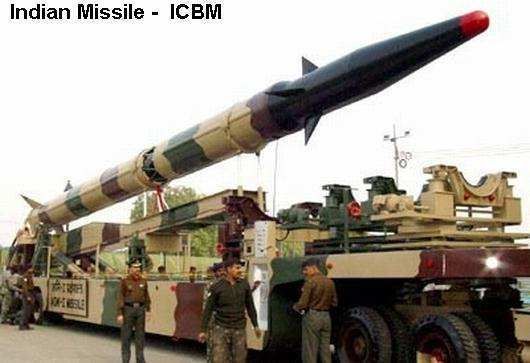
2021 அக்டோபர் 28 இல் இந்தியா முதன்முதல் செய்த 3000 மைல் தூர நீட்சி அக்கினி -5 வெடிகணைச் சோதனை வெற்றி, ஆசியாவில் இந்தியா சைனா போன்றநாட்டின் எந்த நகரையும் துல்லியமாகத் தாக்க முடியும் என்பதை எடுத்துக் காட்டியது ஆனால் இந்தியா முதன்முதல் அக்கினி-5 வெடிகணையைபகை நாட்டின் [NO FIRST USE] மீது ஏவாது. மேஜர் கௌரவ் ஆரியா, அக்கினி-5 மிக்க ஆற்றல் கொண்ட வெடி ஆயுதம். அணு குண்டையும் ஏந்திச் செல்லும் தகுதி உடையது. தணிந்த ஆற்றல் [620-1242 miles] [1000-2000 km] கொண்ட வெடி கணை அக்கினி-பிரைம் [AGNI-PRIME] சோதனை செய்யப் பட்டது. சைனா 2021 ஆகஸ்டு மாதம் தனது ஹைபர்சானிக் ஆயுதத்தைச் [HYPERSONIC MISSILE] சோதனை செய்து பூமியை ஒருமுறை சுற்றி, குறிக்கோளை 24 மைல் தூரத் துல்லிமத்தில் தாக்கியது.
India successfully test-launched on October 28, 2021 its first ballistic missile, the Agni-5, at roughly 10:20 AM EDT, using a three-stage solid-fueled engine that can fire nuclear payloads up to 3,000 miles with an extremely high level of accuracy, according to an initial report from Republic World, an India-based news service.
On the world stage, this weapon isn’t new, but it represents a major advancement for India, and fundamentally alters the balance of power in the region amid mounting tensions between major worldwide powers.
The test of Agni-5 is part of India’s central defense policy to have “credible minimum deterrence” to maintain its commitment to “No First Use”, according to the report. The country’s first long-range intercontinental ballistic missile was developed by the Defense Research and Development Organization (DRDO), and can target any location in China, and even reach as far as Europe. Major Gaurav Arya of India’s military forces said Agni-5 can actively deter China’s strategic plans. “This missile has nothing to do with Pakistan, it does not even consider Pakistan as a possible landing target,” he said. “This is an aim at China, which is very important.”
Arya also said that once Agni-5 is inducted for real-world service, it will serve as a powerful symbolic piece on the board against China’s government, according to the report. “We can hit you whenever we want, wherever we want inside Mainland China,” he said. This comes on the heels of another recent success of the DRDO’s Indigenous Technology Cruise Missile (ITCM), fired off the Odisha coast. Earlier, in July, India also test-fired its New Generation Akash Missile (Akash-NG), which is a surface-to-air missile system that can reach 37 miles (60 km). Other recently developed weapons from the DRDO include the Man-Portable Anti Tank Guided Missile, and another new missile of the Agni series called the Agni-Prime, with a range of 621 to 1,242 miles (1,000 to 2,000 km).
Ballistic missiles are far easier to shoot down than hypersonic weapons
This comes amid rising tensions between the U.S. and China, the former of which has good relations with India. But while India’s expanding ballistic missile capabilities add to the hypothetical chessboard should conflict happen, it’s still one step behind its northern rival. Earlier this month, it was revealed that China had tested a hypersonic missile in August that launched atop a Long March rocket, and then circled the Earth in low orbit before descending to its final target, which it only missed by 24 miles. For reference, the Earth is 7,917.5 miles in diameter, which means, as far as public knowledge goes, China is an entire step ahead of India’s ally, the United States, in the most advanced missile technology.
Last week, the Pentagon confirmed that a test launch of a hypersonic missile had failed, implying that the United States’ hypersonic weapons technologies have yet to reach the level of maturity of its China-built counterparts. While the U.S. has famously closed the technological gap with rival countries at blinding speeds, and India’s newest ballistic missile is another strategic asset in the defense against possible conflict with China, India’s ballistic technology could be vulnerable to strategic air defense capabilities of its northern neighbor, since ballistic missiles’ parabolic trajectory makes them a far easier target than hypersonic weapons
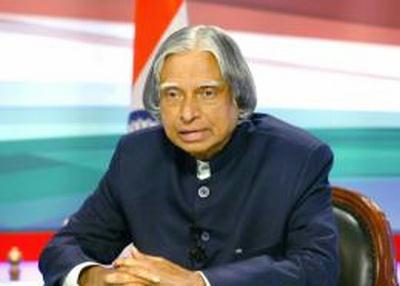
இந்தியாவுக்கு அசுர வல்லமை அளித்த ராக்கெட் விஞ்ஞானி
“இந்தியா உலகத்தின் முன் நிமிர்ந்து நின்றால் ஒழிய, எவரும் நம்மை மதிக்கப் போவதில்லை! இந்த உலகிலே அச்சத்துக்கு இடமில்லை! வல்லமைதான் வல்லரசுகளின் மதிப்பைப் பெறுகிறது. படைப்பல வல்லமையும், பொருளாதார ஆற்றலும் நாம் பெற வேண்டும். அவை இரண்டும் ஒன்றை ஒன்றை சார்ந்தவை.”
டாக்டர் அப்துல் கலாம், முன்னாள் பாரத ஜனாதிபதி
இந்திய விண்வெளி ராக்கெட்களைப் படைத்த விஞ்ஞான மேதை
டாக்டர் அப்துல் கலாம் ராணுவ ராக்கெட்டுகளை விடுதலைப் பாரதத்தில் விருத்தி செய்த முன்னோடி விஞ்ஞானி. இரண்டாம் உலகப் போரில் ஜெர்மெனிக்கும், போருக்குப் பிறகு அமெரிக்காவுக்கும் ராணுவ ராக்கெட்டுகளை விருத்தி செய்த முதல் ராக்கெட் விஞ்ஞானி டாக்டர் வெர்னெர் ஃபான் பிரௌன் [Wernher Von Braun]. அமெரிக்காவின் அண்டவெளிப் பயண ராக்கெட் விருத்தியிலும் அவர் முழுமையாக ஈடுபட்டார். பாரத நாட்டில் டாக்டர் ஃபான் பிரௌனுக்கு இணையாகக் கருதப்படும் ராக்கெட் விஞ்ஞானி டாக்டர் அப்துல் கலாம். அவரே பாரதத்தின் ராணுவ ராக்கெட் படைப்புக் பிதாவாகாப் போற்றப்படுகிறார். இந்திய ராணுவ ஏவுகணைகள் அக்கினி, பிருத்வி போன்றவை மூச்சு விட்டுப் பாய்ந்து செல்ல விதையிட்டு விருத்தி செய்தவர் அப்துல் கலாம். அவற்றை வெற்றிகரமாக ஏவச் செய்து பாகிஸ்தான், சைனா போன்ற பக்கத்து நாடுகளின் கவனத்தைப் பாரதம் கவர்ந்துள்ளது! 1980 ஆண்டுகளில் ஹைதிராபாத் ராணுவ ஆராய்ச்சி விருத்திக் கூடத்தை [Defence Research & Development Laboratory] தன்னூக்கத்துடன் இயங்கும் ஓர் உன்னதக் கூட்டுப்பணிக் குழுவாக மாற்றி அதை ஒரு பொறிநுணுக்கத் தொழிற்சாலையாக ஆக்கினார். உன்னத பாதுகாப்புப் பணி புரிந்த டாக்டர் அப்துல் கலாமுக்கு 1990 ஆம் ஆண்டில் பாரதம் மதிப்பு மிக்க “பாரத் ரத்னா” பட்ட வெகுமதி அளிக்கப் பட்டது.
1931 அக்டோபர் 15 ஆம் தேதி அப்துல் கலாம் தமிழ்நாட்டின் இராம பூமியான இராமேஷ்வரத்தில் பிறந்தார். அங்குள்ள ஸ்வார்ட்ஸ் உயர்நிலைப் பள்ளியில் படித்தவர். திருச்சி ஸெயின்ட் ஜோஸ·ப் கல்லூரியில் விஞ்ஞான அடிப்படைக் கல்வியைக் கற்றவர். தனது சிறப்புப் பொறிநுணுக்க டாக்டர் பட்டப் படிப்புச் சென்னை பொறியியல் துறைக் கல்லூரியில் [Madars Institute of Technology] சேர்ந்து (1954-1957) விமானவியல் எஞ்சினியரிங் துறையை [Aeronautical Engineering] எடுத்துக் கொண்டார். பட்டப் படிப்பின் போதே பெங்களூரில் உள்ள ஹிந்துஸ்தான் விமானத் தொழிற்கூடத்தில் [Hindustan Aeronautics Ltd] பயிற்சிக்குச் சேர்ந்தார். அங்கே விமானங்களை இயக்கும் பிஸ்டன் எஞ்சின், டர்பைன் எஞ்சின், ஆர அமைப்பு எஞ்சின் [Piston, Turbine & Radial Engines] ஆகியவற்றில் அனுபவம் பெற்றார்.
1958 இல் ஹிந்துஸ்தான் விமானத் தொழிற்கூடத்தில் பட்டம் வாங்கிய பிறகு, தன் நெடுநாட் கனவான விமானப் பறப்பியலில் ஈடுபட நினைத்தார். அவருக்கு இரண்டு வித வேலை வாய்ப்புகள் கிடைக்க வழி பிறந்தன. முதலாவது வேலை இராணுவ அமைச்சகத்தின் தொழில் நுணுக்க விருத்தி & உற்பத்தித் துறைக் கூடத்தில் {Directorate of Technical Development & Production, (DTD&P) Ministry of Defence]. அடுத்தது இந்திய விமானப் படையில் ஊழியம் [Indian Air Force]. இரண்டுக்கும் விண்ணப் பித்து அவருக்கு நேர்காணல் தேர்வும் கிடைத்தது. முதலில் கூறிய இராணுவப் பணி அவரது திறமைக்குச் சவாலாக இருக்க வில்லை. அடுத்து தேரா தூன் விமானப் படைத் தேர்வில் அவர் வெற்றி பெறவில்லை.
தோல்வி மனதுடன் திரும்பி வரும் வழியில் ரிஷிகேஷில் தங்கிப் புனித கங்கா நதியில் நீராடிய போதுதான், அவருக்குப் புத்தரைப் போல் தோன்றிய சுவாமி சிவானந்தாவைச் சந்திக்கும் வாய்ப்புக் கிடைத்தது! தன்னை யாரென்று அறிமுகப் படுத்திக் கொண்டதும், சுவாமி சிவானந்தா அவரோர் இஸ்லாமியர் என்று மனதில் கருதவில்லை! கவலைப் படுவது ஏனென்று சிவானந்தா கேட்டபோது, அப்துல் கலாம் தனது பறக்கும் கனவுகளை இந்திய விமானப் படை நேர்காணல் ஏமாற்றி விட்டெதெனக் கூறி வருந்தினார். அப்போது சிவானந்தா கூறினார், ” உன் விதியை ஏற்றுக்கொண்டு, வாழ்க்கையில் முன்னேறிச் செல்; விமானப் படையில் நீ சேர்ந்து வேலை செய்யக் கூடாதென்று விதி யுள்ளது. நீ என்ன செய்யப் போகிறாய் என்பது இன்னும் நிர்ணயமாக வில்லை. ஆனால் என்ன நீ பண்ணப் போகிறாய் என்னும் விதி ஏற்கனவே நிச்சமாக்கப் பட்டுள்ளது. நீ புரிய வேண்டிய பணிக்கு அவசியம் இருப்பதால் விதியிட்ட பாதைக்கு உன்னை அழைத்துச் செல்கிறது. ஆகவே உனது இந்த தோல்வியை மறந்திடு. உனது பிறப்பின் மெய்யான காரணத்தை எண்ணித் தேடிச் செல். உன்னோடு நீ ஒன்றாய் ஒன்றிக்கொள்! கடவுளின் விருப்பத்திற்கு நீ சரணடைவாய்”.
டெல்லிக்கு மீண்டதும் DTD&P இல் சீனியர் சையன்டிஃபிக் அஸ்ஸிஸ்டென்ட் வேலை கிடைத்தது. அப்போது அவர் தன்னோடு பணி செய்த குழுவுடன் முன்னோடி ஹோவர்கிராஃப்டு [Prototype Hovercraft] ஒன்றைத் தயாரித்தார். அவர் முதன்முதல் அமர்ந்து இயக்கிய இந்திய ஹோவர்கிராஃப்டில் முன்னாள் இராணுவ மந்திரி கிருஷ்ண மேனன் பயணம் செய்தார். அதற்குப் பிறகு 1962 இல் டாக்டர் அப்துல் கலாம் இந்திய விண்வெளித் திட்டத்தில் வேலை கிடைத்துச் சேர்ந்தார். சுமார் இருபதாண்டுகள் (1963-1982) அவர் இந்திய வெண்வெளி ஆராய்ச்சிக் கூடத்தில் [Indian Space Research Organization (ISRO)] பல பதவிகளில் பணியாற்றினார். பிறகு அவர் தும்பாவில் [திருவனந்தபுரம், கேரளா] துணைக்கோள் ஏவுகணைக் குழுவில் [Satellite Launch Vehicle Team (SLV)] சேர்ந்து, SLV-3 ராக்கெட் படைப்புத் திட்டத்தின் டைரக்டர் ஆக நியமிக்கப் பட்டார்.. SLV-3 ராக்கெட்டின் 44 துணைச் சாதனங்களை டிசைன் செய்து, பயிற்சி செய்து, மேன்மையாய் விருத்தி செய்து வெற்றிகரமாக ஏவிடப் பணிபுரிந்தார். 1980 ஜூலையில் இல் ரோகினி என்னும் முதல் விஞ்ஞானத் துணைக்கோளைத் தூக்கிக் கொண்டு SLV-3 ராக்கெட் விண்வெளியில் ஏவப்பட்டு, ரோகினி பூமியைச் சுற்றிவரும் சுழல்வீதியில் இடப் பட்டது. அவ்வரிய பணிக்குப் பாரத அரசாங்கம் 1981 இல் டாக்டர் அப்துல் கலாமுக்கு பாரதத்தின் மாபெரும் “பத்ம பூஷண்” பாராட்டு மதிப்பை அளித்தது.
ஓர் ஆன்மீக முஸ்லீமாக அப்துல் கலாம் தினமும் இருமுறை இறைவனைத் துதிக்கிறார். அவர் அறையில் தஞ்சை நடராஜர் வெண்கலச் சிலை காணப்படுகிறது. மேலும் அவர் ஓர் இராம பக்தர். வீணை வாசிக்கிறார். ஸ்ரீராகத்தை ரசிக்கிறார். தமிழில் கவிதை புனைகிறார். தானோர் இந்தியன்ரென்று பெருமைப் படுகிறார். 1999 ஆண்டில் பொக்ரானில் சோதித்த அடித்தள அணு ஆய்த வெடிப்புகளில் பங்கெடுத்தைப் பற்றி மகிழ்ச்சி அடைகிறார். விடுதலை பெற்ற பிறகு இதுவரைச் சாதித்த விஞ்ஞானப் பொறியியற் துறைகளை எடுத்துக் காட்டி முன்னேறும் நாடாகக் கருதப்படும் பாரதம் விருத்தி அடைந்து 2020 ஆண்டுக்குள் முன்னேறிய நாடாக மாறப் போகிறது என்றோர் எதிர்காலவாதியாக [Forecasting Futurist] ஒளிமயமான எதிர்காலத்தைச் சுட்டிக் காட்டுகிறார். டாக்டர் அப்துல் கலாம் மெய்யாக ஒரு ராக்கெட் விஞ்ஞானி, படைப்பாளர், எல்லாவற்றுக்கும் மேலாக ஒரு தேச நேசர். அவரே பாரதத்தின் ராணுவ ஏவுகணைப் பிதாவாகப் போற்றப் படுகிறார்.
இந்தியாவின் போர்க்களத் தாக்குகணைத் திட்டங்கள்
1974 மே மாதம் இந்தியா முதன்முதல் அடித்தள அணு ஆயுத வெடிப்பைச் சோதித்த பிறகு அந்த ஆயுதத்தைத் தாங்கிக் கொண்டு தாக்கச் செல்லும் ஏவுகணைகளை ஆக்கும் இராணுவ முற்பாடுகளில் முனைந்தது. கடந்த மத்திய ஆசிய கல்ஃப் நாட்டுப் போர்களில் தாக்குகணைகள்தான் பெருமளவில் பங்கேற்றன. எதிர்காலத்தில் எழும் போர்களும் இனிமேல் கட்டளைத் தாக்குகணைகளைத்தான் பேரளவில் பயன்படுத்தப் போகின்றன. சென்ற சில ஆண்டுகளாய் இந்தியா தனது இராணுவத் தேவைகளுக்கு உள் நாட்டிலேயே உற்பத்தி செய்யும் நம்பத் தகுந்த கட்டளைத் தாக்குகணைத் தயாரிப்பில் ஆழ்ந்து முற்பட்டு வருகிறது. 1994 இல் இந்தியப் பொறியியல் விஞ்ஞானிகள் 1500 கி.மீ. [900 மைல்] நீட்சித் தூரம் செல்லும் அக்கினித் தாக்குகணைகளை மூன்று முறை ஏவிச் சோதனைகளை வெற்றிகரமாகச் செய்து முடித்தனர். சமீபத்தில் 2007 ஏப்ரல் 12 ம் தேதி 5000 கி.மீ. (3000 மைல்) பயணம் செய்யும் அபார ஆற்றல் கொண்ட அக்கினி-3 தன் சோதனைப் பயிற்சியைச் செம்மையாக முடித்தது.
டாக்டர் அப்துல் கலாம் மேற்கொண்ட ஐம்பெரும் தாக்குகணைத் திட்டங்கள்
1982 ம் ஆண்டில் இராணுவ ஆயுத ஆய்வு விருத்திக் கூடத்தின் ஆணையராக [Director of Defense Research & Development Organization (DRDO)] டாக்டர் அப்துல் கலாம் பணி புரிந்த போது, 1993 இல் கூட்டமைப்புக் கட்டளை ஏவுகணை விருத்தித் திட்டம் [Integrated Guided Missile Development Program (IGMDP)] செயற்பட அவர் பொறுப்பில் விடப்பட்டது. அத்திட்டமே இந்திய இராணு வத்தின் பேரளவு வெற்றிச் சாதனையாக விரிவு பெற்றது. அதன் மூலம் ஐந்து மாபெரும் ஏவுகணை படைப்புத் திட்டங்கள் இராணுவத் தேவைகளைப் பூர்த்தி செய்யும் வண்ணம் பூரணமாய் நிறைவேறின. அவை யாவும் இரண்டு ஐந்தாண்டுத் திட்டங்களில் முடிவு பெற வேண்டுமென முயற்சிகள் ஆரம்பமாயின. அந்த ஐம்பெரும் தாக்குகணைத் திட்டங்களின் விபரங்கள் கீழே கொடுக்கப் பட்டுள்ளன.
1. நாக தாக்குகணை – இராணுவப் போர்க்கள டாங்க் வாகனத்தைத் தாக்கும் கட்டளை ஏவுகணை [NAG – An Anti-Tank Guided Missile (ATGM)] அதன் பாய்ச்சல் நீட்சி தூரம் : 4 கி.மீடர் (2.5 மைல்). எதிரி டாங்குகளின் எஃகுக் கவசத்தை ஊடுருவிப் பிளக்கும் ஆற்றல் உள்ளது. உலகிலே முற்போக்கானத் தாக்குகணை அது.
2. பிரித்வி தாக்குகணை – தளப்பீடமிருந்து தளப்பீடம் ஏகும் யுத்தகளச் சூழ்ச்சித் தாக்குகணை [Prithvi -A Tactical Surface-to-Surface Battle Field Missile (TSSM), விமானப் படை உதவியின்றி கொந்தளிப்பு உண்டாக்கும் ஏவுச் சாதனம். வேறுபட்ட போர் வெடிகளைத் தாங்கிக் கொண்டு அது பாய்ந்து செல்லும் நீட்சித் தூரம் : 250 கி.மீ. [90 மைல்]. 1983 இல் பிரித்வி கணைகளின் விருத்தி வேலைகள் ஆரம்பமாயின. அதன் நீட்சித் தூரம் : 150-300 கி.மீ. (90-180 மைல்). சோவியத் யூனியன் ராக்கெட் பொறி நுணுக்கத்தைப் பின்பற்றிய தாக்குகணை அது. பிரித்வி-1 நீட்சித் தூரம் 150 கி.மீ. பளுத்தூக்கு: 1000 கி.கிராம். 1994 இல் அதன் விருத்தி வேலைகள் ரம்பமாயின. பிரித்வி-2 நீட்சித் தூரம் 250 கி.மீ. பளுத்தூக்கு: 500 கி.கிராம். அதன் சோதனைகள் 1996 இல் ரம்பித்து, 2004 இல் விருத்தி வேலைகள் முடிந்தன. பிரித்வி-3 நீட்சித் தூரம் 350 கி.மீ. பளுத்தூக்கு: 1000 கி.கிராம். அதே கணை 500 கி.கிராம் பளுவை 600 கி.மீ. தூரத்துக்குக் கொண்டு போகும். அல்லது 250 கி.கி. பளுவை 750 கி.மீ. தூரம் தூக்கிச் செல்லும்.
3. ஆகாஷ் தாக்குகணை – தளப்பீடமிருந்து வானத்தில் தாக்கும் இடைத்தூர ஏவுகணை (Akash – A swift Medium Range Surface-to-Air-Missile). எல்லா வற்றிலும் முற்பாடான மிக்க நவீன முறைத் தாக்குகணை இது. அதன் சிறப்பென்ன வென்றால், அது 2.5 மடங்கு ஒலி மிஞ்சிய [2.5 Mach Number] வேகத்தில் போவது. நீட்சித் தூரம் 25 கி.மீ. [15 மைல்] கொண்ட இந்த தாக்குகணை எண்ணைக் கிணறுகள் பரவிய பெரும் பரப்பளவை எதிரிகள் தாக்கும் போது எதிர்த்த டிக்கப் பயனாகிறது. ஆகாஷ் ஏவுகணையின் சோதனைப் பயிற்சிகள் 1990 இல் துவங்கி, முழு விருத்திப் பணிகள் 1997 இல் முடிந்தன.
4. திரிசூல் தாக்குகணை – விரைவில் ஏகித் தளப்பீடமிருந்து வானத்தில் தாக்கும் குறுந்தூர ஏவுகணை [Trishul (Trident) – A Quick Reaction Surface-to-Air Missile (SAM) with a Shorter Range] அவை தளப்படை, விமானப்படை, கப்பற்படை ஆகிய முப்பெரும் இராணுவப் போர்த் துறைகளிலும் பயன்படுகின்றன. தணிவாக அருகில் பறப்பனவற்றைத் தாக்கும் கணைகள் அவை. அவற்றின் பயண நீட்சி தூரம் : 5-9 கி.மீ. (3 முதல் 5 மைல்)
5. அக்கினி தாக்குகணை – எல்லாவற்றையும் விடப் பேராற்றல் கொண்ட இடைத்தூர ஏவுகணை (Agni – An Intermediate Range Ballistic Missile, The Mightiest), அக்கினித் தாக்கு கணைகளின் நீட்சித் தூரம் : 2500 கி.மீ. [1500 மைல்]. உலகிலே இது போன்ற முற்போக்குத் தாக்குகணையைப் பெற்ற ஐந்து நாடாக (அமெரிக்கா, ரஷ்யா, பிரான்ஸ், சைனா) இந்தியா கருதப் படுகிறது. 1989 இல் முதல் அக்கினி ஏவுகணையின் சோதனைப் பயிற்சி வெற்றிகரமாகச் செய்து முடிக்கப் பட்டது. 2007 ஏப்ரல் 12 ம் தேதி 5000 கி.மீ. (3000 மைல்) பயணம் செய்யும் அக்கினி-3 தன் சோதனைப் பயிற்சியைச் செம்மையாக முடித்து, பாரத வரலாற்றில் ஒரு மைல் கல்லை நட்டது..
பாரதத்தின் அண்டை நாடேகும் கட்டளைத் தாக்குகணை சூரியா
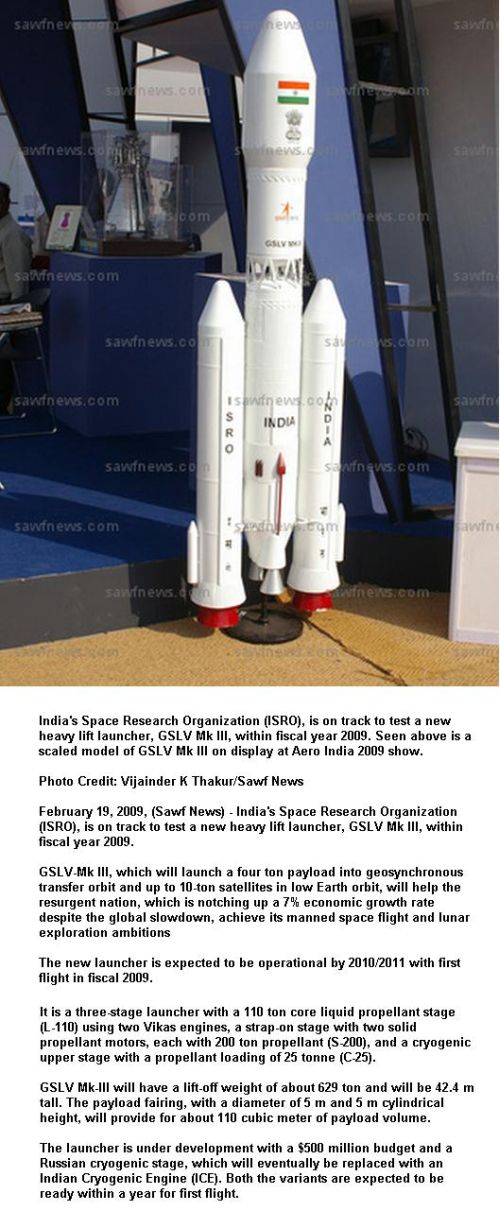
இந்தியாவின் முதல் “அகிலக் கண்டம் தாக்கும் கட்டளைக் கணை” சூரியா [Intercontinental Ballistic Missile, (ICBM) Surya] தயாரிக்கும் பொறியியல் இராணுவப் பணிகள் ரம்பமாகி சூரியா-1 சோதனைப் பயிற்சி 2005 இல் திட்டமிடப்பட்டது. தனிப் பயிற்சி இயக்கப்பாடுகள் முடிந்து முதல் சோதனை 2008 இல் திட்டமிடப் பட்டுள்ளது. 2015 ஆண்டில்தான் கட்டளைக் கணைப் படைப்பு முழுமை பெறும் என்று எதிர்பார்க்கப் படுகிறது. சூரியா-1 நீட்சித் தூர எதிர்பார்ப்பு : 10,000 கி.மீ. (சுமார் 6000 மைல்), சூரியா-2 இன் நீட்சித் தூர எதிர்பார்ப்பு 20,000 கி.மீ. (சுமார் 12000 மைல்). சூரியா-1 கட்டளைக் கணை 40 மீடர் நீளம் [130 அடி நீளம்], 80 டன் எடை, திட-திரவ உந்துசக்தி எரிப்பொருள் பயன்படும் மூவடுக்கு ராக்கெட்டுகளைக் கொண்டது. முதல் அடுக்கு ராக்கெட் திரவ எரிசக்தியும், மற்ற ஈரடுக்கு ராக்கெட்டுகள் திடப் பொருள் எரிசக்தியும் பயன்படுத்தும். ஐசிபியெம் ராக்கெட்டுகளின் பொறிநுணுக்கம் அக்கினி-2, துருவத் துணைக்கோள் ஏவு வாகனத்தின் [Polar Satellite Launch Vehicle (PSLV)] கூட்டு யந்திர அமைப்புகளே.
தகவல்:
1. British & Indian Satellites Fly to Space on Ariane-5 Rocket By: Stephan Clark [March 11, 2007] 2. India to Develop Interconntinental Ballistic Missile By: Madhuprasad 3. Indian Space Program By: Subhajit Ghosh 4 Chennai Online News Service About Insat 4B Orbiting Satellite [March 14, 2007] 5. The Perfect Launch of Ariane-5 Rocket with Insat 4B Satellite By The Hindu [March 12, 2007] 6. Geostationary Satellite System [www.isro.org/rep20004/geostationary.htm] 7. Indian Space Program: Accomplishments & Perspective [www.isro.org/space_science] 8. http://www.thinnai.com/?module=displaystory&story_id=40210013&format=html [Dr. Vikram Sarabhai Space Pioneer] 9. Indian Space Program By: Wikipedia 10 Indian Space Research Organization (ISRO) [www.geocities.com/indian_space_story/isro.html] 11 Interview Dr. Abdul Kalam, Indian Airforce [www.geocities.com/siafdu/kalam1.html?200717] 12 President of India : President’s Profile [http://presidentofindia.nic.in/scripts/presidentprofile.jsp 13 Dr. Abdul Kalam : India’s Missile Program www.geocities.com/siafdu/kalam.html 14 India’s 2005 Republic Day Parade Archive – Military Photos [www.militaryphotos.net/forums/archive] 15 Increasing Indian Missile Reach, Opinion & Editorials By: The Hindu Editorial [April 14, 2007] 16 Missile Test By India [February 5, 2007] 17 Defence Update, International Online Defence Magazine [Posted Nov 30, 2006] 18 Defense Update, New Pissile Program at Aero India (2007) 19 BrahMOs, Missiles, Weapon Systems, India Defense 20 Indo-Russian Bilateral Equation Including Military [2001 ?]
21 A Perennial Dream By: Dr. Abdul Kalam [http://sindhu.nomadlikfe.org/] 22 AllIndidianSite.com – Dr. Abdul Kalam-It’s All About People. 23 History of Indian Space Program -1 [www.bharat-rakshak.com/SPACE/space-history1.html] 24 History The Tiger of Mysore & His Rocket Barrages By: Rajivlochan, Dept of History, Punjab University. 25 India Successfully Tests Trisul Missile [www.spacewar.com/reports/India_Successfully_Tests_Trisul_Missile.html] 26 India’s Missile Program By: John Cherian [www.hinduonnet.com/fline/] 27 Indian ICBM Surya Missiles – India Defence Weapon Systems. 28. Missiles in Indian History. (Agni, Prithvi, Akash, Trishul, Nag, Astra, Surya,
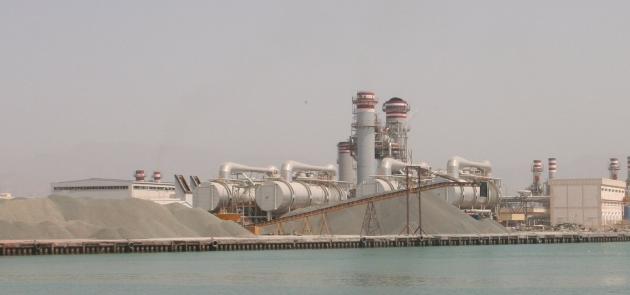
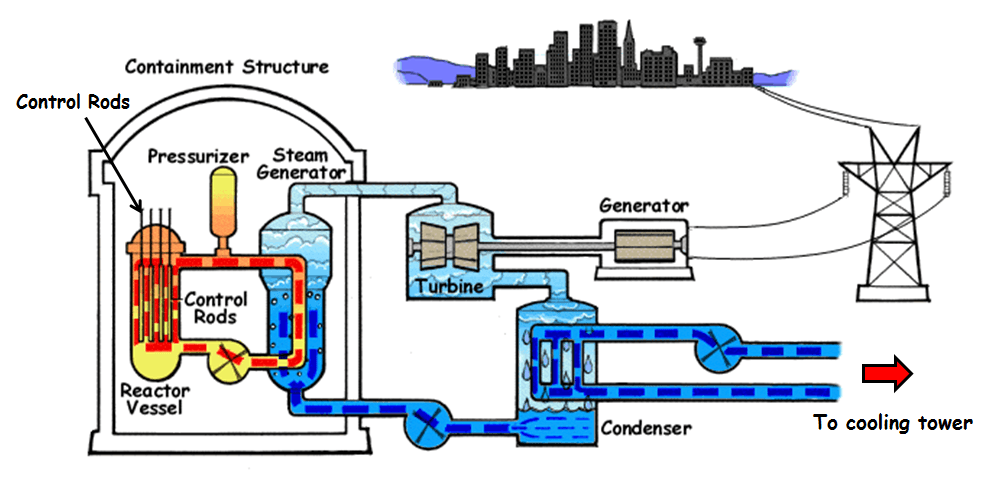
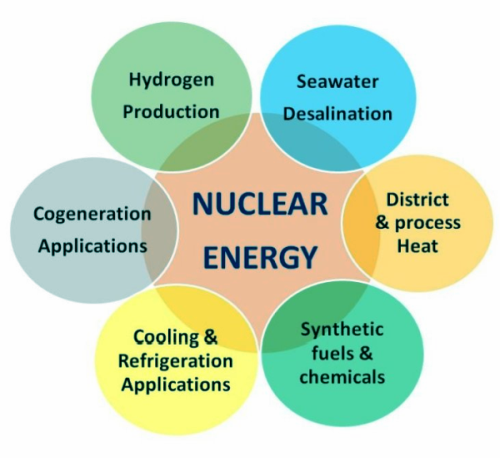
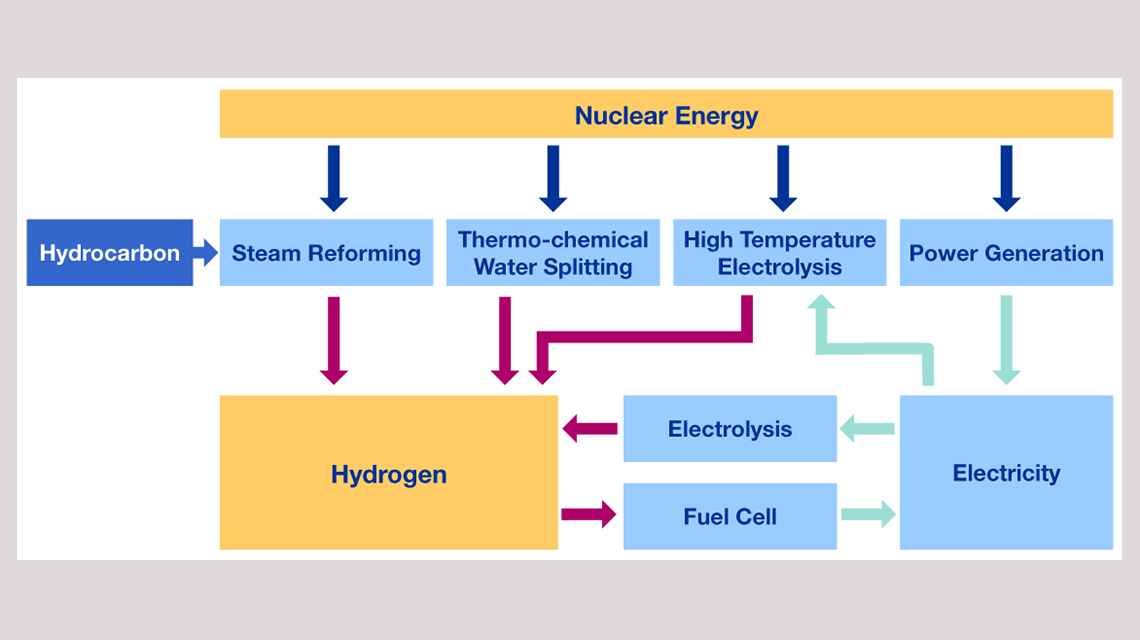
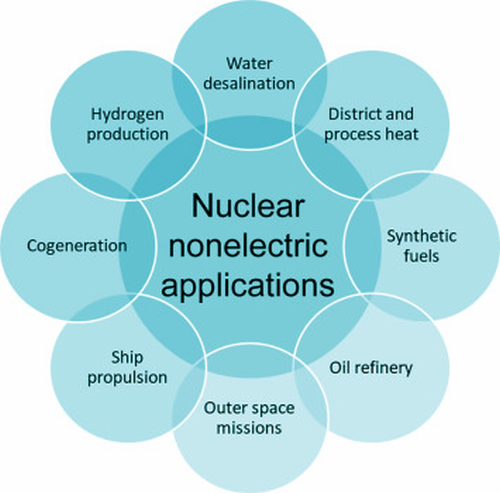
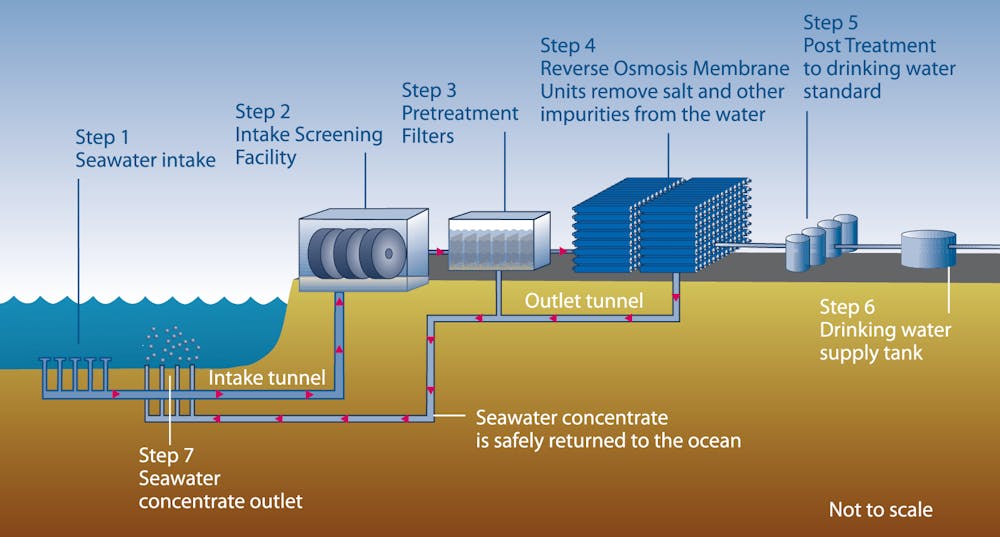
அணுமின்சக்தி நிலையத்தில் மின்சாரம் உற்பத்தி செய்வது மூன்றில் ஒரு பங்கு வெப்பசக்தியே [சுமார் 35% இயக்கத் திறன்] [EFFICIENCY]. குளிர்கலனில் TURBINE CONDENSER] 65% வெப்பசக்தி பயன் தராமல் கடல் தணிப்பு நீரிலோ , கோபுரத்திலோ [CONDENSER COOLING WATER] வீணாகிறது. இந்த 65% வெப்பசக்தி மீட்கப்பட்டு பல தொழிற்துறை ஆலைகளுக்குப் பயன்படுகிறது. முக்கிய கடல் சார்ந்த பகுதிகளில் உப்பு நீக்கி குடிநீர் தயாரிக்க முடிகிறது மேலும் எரிசக்தி நீரக வாயு [HYDROGEN GAS], மீதேன் [METHANE GAS] தயாரிக்கவும், குளிர் நாடுகளில் வீடுகளுக்குச் சூடு அளிக்கவும், தொழிதுறை ஆலைகளுக்கு நீராவி அனுப்பவும் உதவுகிறது. ஜப்பானில்இயங்கி வரும் உச்ச உஷ்ண அணு உலை [HTTR] [HIGH TEMPERATURE TEST REACTOR] மின்சாரம் தயாரிப்ப தோடு, பயன்படா சக்தி மீட்கப்பட்டு நீரக வாயு, மீதேன் வாயு தயாரிக்கப் படுகிறது. இம்முறைக்கு கூட்டுப்பிறப்பு [cogeneration] முறை என்று பெயர்.கூட்டுப்பிறப்பு முறையின் இயக்கத் திறன் 80%
தற்போது 10% உலகத் தேவைக்கு அணுசக்தி நிலையங்கள் மின்சாரம் உற்பத்தி செய்கின்றன குளிர் நாடுகளான ரஷ்யா, பல்கேரியா, ஹங்கேரி, ருமேனியா, செக் குடியரசு,சுலோவேகியா,சுவிட்சர் லாந்து,யுக்ரேன் வீடுகளைச் சூடாக வைத்திருக்க அணுமின்சக்தி நீராவி பயன்படுகிறது.
Non-electric applications of nuclear energy are reviewed, including technological, environmental and economic issues of such applications as well as future prospects and benefits of non-electric applications of nuclear energy. The applications for nuclear energy are significantly greater than electricity generation, including cogeneration, district heating and cooling, high-temperature process heating, hydrogen and alternative fuel production, transportation and desalination. These applications of nuclear energy expand its prospects and enhance its benefits, such as reduced environmental impact and climate change mitigation. Interest in non-electric applications of nuclear energy is growing, driven by environmental, economic, security and other reasons. The potential uses of nuclear energy beyond electricity generation and supply are likely to find increasing application in the future.
The IAEA has developed software tools, such as the Hydrogen Economic Evaluation Program (HEEP) and Hydrogen Calculator, to assess options for hydrogen production. Links to download both tools are available here.
To assess nuclear desalination, the IAEA has developed the Desalination Economic Evaluation Program (DEEP) and the DEsalination Thermodynamic Optimization Programme (DE-TOP) to perform economic, thermodynamic and optimization analyses of different power resources coupled to various desalination processes. The software are available for download here.
The IAEA has been coordinating feasibility studies on nuclear desalination since 1989. The IAEA Technical Working Group on Nuclear Desalination is a global network of experts that supports programme assessment and planning, research, development, design, construction, economics, safety aspects, international collaboration for demonstration projects, and operation and maintenance of nuclear desalination plants.
அமெரிக்கா இந்தியாவில் கட்டும் ஆறு 1000 MWe அணுமின்சக்தி நிலையங்கள்
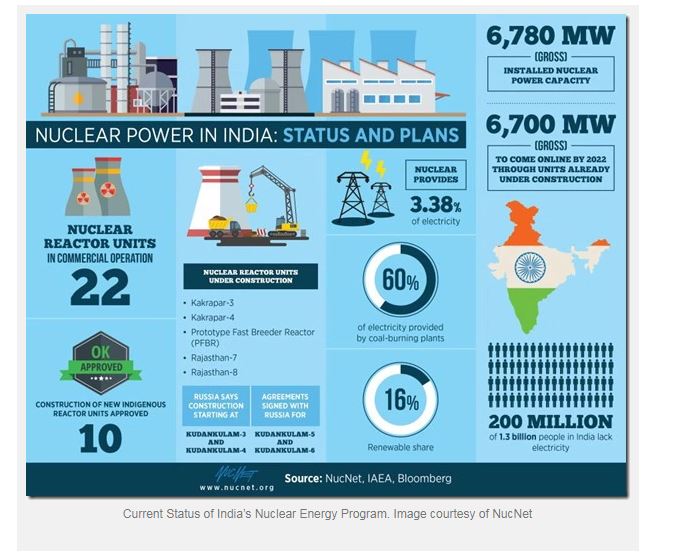
2020 பிப்ரவரி 20 ஆம் தேதி இந்திய வெளிநாட்டு அமைச்சு செயலாளர் விஜய் கோகலேயும் அமெரிக்க அகில் நாட்டுப் பாதுகாப்பு, ஆயுதக் கட்டுப்பாடு துணைச் செயலாளர் ஆன்டியா தாம்ஸன் ஆகியோர் கலந்துரையாடலில் வெளியான செய்தி இது. பொதுநல அணுசக்திப் பயன்பாட்டில் இருநாட்டுக் கூட்டுறவு உடன்பாட்டின்படி, ஆறு 1000 மெகாவாட் அணுமின்சக்தி நிலையங்களை, அமெரிக்காவின் வெஸ்டிங்ஹவுஸ் நிறுவகம் கட்ட வாஷிங்டன் D.C. இல் ஒப்பந்தம் செய்யப் பட்டுள்ளது. கடந்த பத்தாண்டு களாக, அணுமின் உலை விபத்து இழப்பு நிதி [Indian Liability Rules] யார் அளிப்பது ? அணு உலை இயக்கும் இந்தியாவா ? அல்லது அணு உலை கட்டிய வெஸ்டிங்ஹவுஸா ? [இது போன்று முன்பு போபால் நச்சு வாயுக் கசிவு விபத்தில் துயருற்ற லட்சக் கணக்கான இந்தியருக்கு விபத்து இழப்பு நிதி அளிப்பதில் தர்க்கம் ஏற்பட்டு நோயாளிகள் பெருந்துயர் உற்றார்.] இந்த ஆறு அணு மின்சக்தி நிலையங்கள் ஆந்திராவில் நிறுவகம் ஆகும். இந்தியா 2031 ஆண்டுக்குள் 22,480 மெகாவாட் உற்பத்தி செய்யத் திட்டமிட்டு உள்ளது. 2019 ஆண்டு அணுமின்சார உற்பத்தி அளவு ; 6780 மெகாவாட்.
2008 ஆம் ஆண்டில் அமெரிக்க அதிபர் ஓபாமா உள்ள போது இரண்டு நாடுகளும் ஆரம்ப ஒப்பந்தம் செய்து கொண்டாலும், இப்போது டிரம்ப் காலத்தில்தான் அத்திட்டம் உறுதி செய்யப்பட்டது. “அமெரிக்கர் சாதனத்தை விற்பனை செய்” என்ற டிரம்ப் சுலோகத்தில் முடிவானது இந்த திட்டம். இந்தியா 2024 ஆண்டுக்குள் மின்சக்தி உற்பத்தியை மும்மடங்கு பெருக்க [தற்போது 6700 மெகாவாட்] முனைந்துள்ளது. அமெரிக்கன் 1000 மெகாவாட் ஒரு நிலையம் நிறுவ, குறைந்தது 3 ஆண்டுகள் ஆகலாம். சென்ற ஆண்டில் இந்தியாவும், ரஷ்யாவும் மேலும் ஆறு 1000 மெகாவாட் கூடங்குள மாடல் அணு மின்சக்தி நிலையங்கள் கட்ட ஒப்பந்தம் செய்து கொண்டன. நொடித்துப் போன வெஸ்டிங்ஹவுஸ் நிறுவனத்தைக் கைதூக்க அதிபர் டிரம்ப் இந்தியாவுக்கு பிப்ரவரியில் போகும் போது, இந்த திட்டம் உறுதி ஆகும். ஆயினும் விபத்து இழப்பு நிதி கொடுக்கும் பொறுப்பு யாருடையது என்பது முடிவு செய்யப் படவில்லை.
What’s abundantly clear is that the United States of America is the all-time biggest, baddest greenhouse gas emitter on the planet.
உலகிலே மிகப்பெரும் சூழ்வெளி விஷ வாயு வெளிவீச்சு வல்லமை நாடு
அமெரிக்கா, அமெரிக்கா, அமெரிக்கா அசுர வல்லமை நாடு. கியோடோ, கோபன்ஹேகன், பாரிஸ் போன்ற உலகச் சூழ்வெளி விஷ வாயுக்கள் குறைப்பு ஒப்பந்தங்களில் உடன்படாத ஒரு பெரும் வல்லரசு நாடு அமெரிக்காதான். 2021 ஆண்டு கரிவாயு வீச்சு அளவை ஒப்பிடும்போது உலகச் செல்வீக நாடுகளில் 20 இல் கரிவாயுக் கொள்ளளவு விரைவாக மிகுந்துள்ளது என்று “காலநிலைத் தெளிவு அறிக்கை” தயாரிப்பாளர் [Climate Transparency Report] கூறுகிறார். இன்னும் இரண்டு வாரத்தில் கிளாஸ்கோ, ஸ்காட்லாந்தில் COP26 காலநிலைக் கூட்டிணைப்பு உலகப் பேரவை கூடிப் பேசப் போகிறது. .
மேலும் தெளிவு அறிக்கை கூறுவது.
G20 குழுமை நாடுகளால் இந்த 2021 ஆண்டில் கரிவாயு அளவு 4% ஏறுகிறது.;
2020 கொரோனா பேரிடரால் G20 குழுமை நாடுகளில் கரிவாயு சேர்க்கை 6% குறைந்தது.
சைனா, இந்தியா, அர்ஜென்டைனா நாடுகளில் கரிவாயு வீச்சு 2019 ஆண்டை விட மிகையானது.
இயற்கை வாயு, பெட்ரோலியம் எரிசக்தி தொடர்ப் பயன்பாடு சூழ்வெளி உஷ்ணக் கட்டுப்பாடை தடுத்தது.
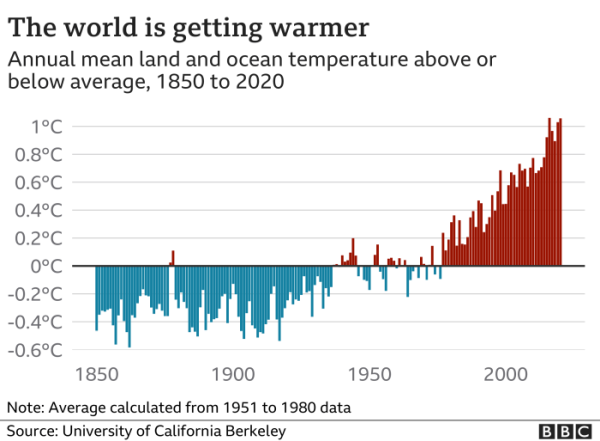
கடல்நீர் உஷ்ணம் தற்போது 1.1C ஆக உள்ளது. அது 1.5.C ஆக ஏறி விடாமல் தடுப்பு முறைகள் கையாள்வது.
. G20 குழு நாடுகள்75% சுழ்வெளி விஷ வாயுக்கள் எழுச்சிக்குப் பங்கு ஏற்புக்கு துணை செய்கின்றன.
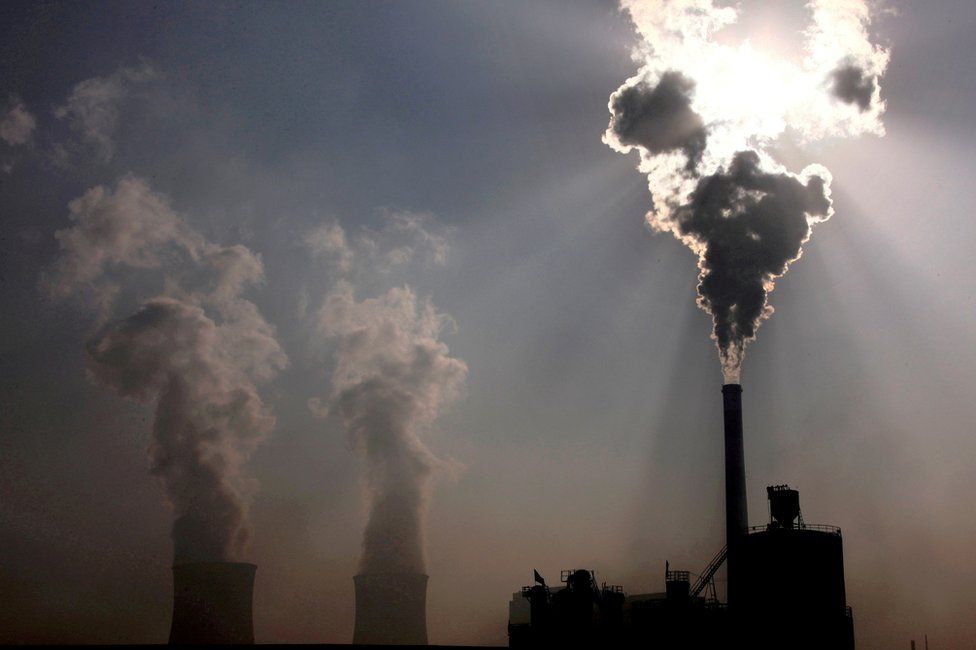
G20 குழு நாடுகளில்நிலக்கரிப் பயன்பாடுகளால் கரிவாயு எழுச்சி இந்த ஆண்டு 5%
சைனா நிலக்கரி எரிசக்தி பயன்படுத்தி கரிவாயு எழுச்சி 60% உலகில் இவ்வாண்டு மிகையாகி விட்டது.
அமெரிக்கா, இந்தியாவில் இவ்வாண்டு நிலக்கரிப் பயன்பாடு அதிகரித்துள்ளது.
இவ்வாண்டில் [2021] நிலக்கரி விலை 200% மிகையாகி மின்வெட்டு நிலை ஏற்பட்டுள்ளது.
G20 குழு நாடுகளில் எரிவாயு பயன்பாடு 12% [2015-2020] ஆண்டுகளில்.
That’s true, despite recent gains in energy efficiency and cuts in emissions. These relatively small steps now cannot offset more than a century of reckless emissions that have built up in the atmosphere. Much more drastic steps are now needed to slow climate change. And as the top cumulative emitter, the US bears a greater imperative for curbing its carbon dioxide output and a greater moral responsibility for the impacts of global warming.
Yet the US is now the only country aiming to withdraw from the Paris climate agreement. China now emits more than the US, and India’s emissions are rapidly rising. But these countries have a much smaller share of cumulative global emissions. Their populations are also much bigger than the US and other wealthier countries, so the amount that India and China emit per person is vastly smaller than the United States or the United Kingdom.
Global CO2 Emissions by Country 2008 The global emissions of CO2 for time 1900-2008 from fossil fuels and industrial processes are shown in Figure 2.
Carbon dioxide (CO2): Fossil fuel use is the primary source of CO2. CO2 can also be emitted from direct human-induced impacts on forestry and other land use, such as throughdeforestation, land clearing for agriculture, and degradation of soils. Likewise, land can also remove CO2 from the atmosphere through reforestation, improvement of soils, and other activities.
Methane (CH4): Agricultural activities, waste management, energy use, and biomass burning all contribute to CH4 emissions.
Nitrous oxide (N2O): Agricultural activities, such as fertilizer use, are the primary source of N2O emissions. Fossil fuel combustion also generates N2O.
Fluorinated gases (F-gases): Industrial processes, refrigeration, and the use of a variety of consumer products contribute to emissions of F-gases, which include hydrofluorocarbons (HFCs), perfluorocarbons (PFCs), and sulfur hexafluoride (SF6).
Black carbon is a solid particle or aerosol, not a gas, but it also contributes to warming of the atmosphere. Learn more about black carbon and climate change on our Causes of Climate Change page.
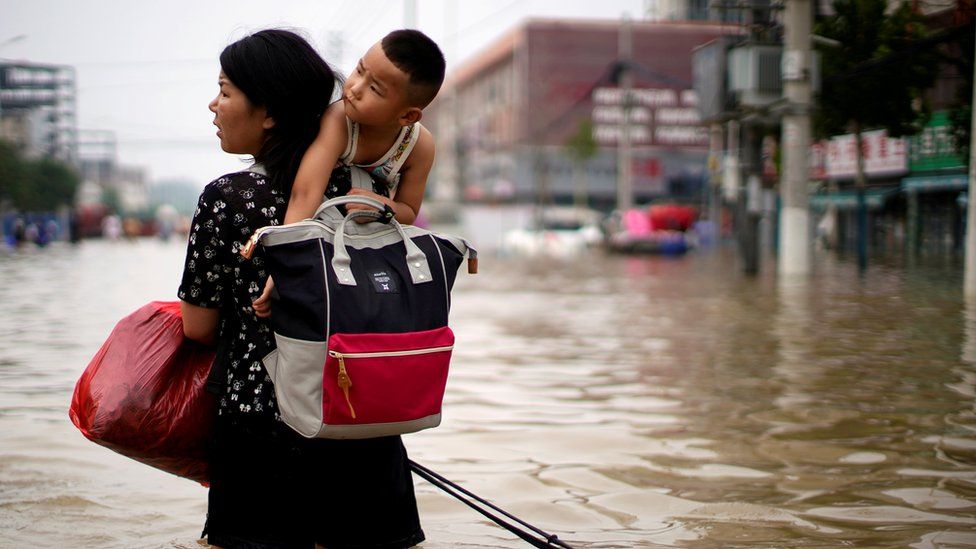
Flooding has taken place in many parts of USA, UK, Germany & China across 2021
Report highlights
Coal consumption is projected to rise by almost 5% in 2021, with this growth driven by China(accounting for 61% of the growth), the USA (18%) and India (17%)
The US (4.9 tCO2/capita) and Australia (4.1 tCO2/capita) have the highest building emissions per capita in the G20 (average is 1.4 tCO2/capita), reflecting the high share of fossil fuels, especially natural gas and oil, used for heat generation
Between 1999 and 2018 there have been nearly 500,000 fatalities and close to $3.5 trillion of economic costs due to climate impacts worldwide, with China, India, Japan, Germany, and the US being hit particularly hard in 2018
Across the G20, the current average market share of electric vehicles (EVs) in new car sales remains low at 3.2% (excluding the EU), with Germany, France, and the UK having the highest shares of EVs
There are expectations that both India and China will submit new national plans before the meeting in Glasgow, which could give a significant boost to attempts to keep the 1.5C target in view.
The G20 group will meet in Rome in the days leading up to COP26 and the UK minister whowill lead the talks has in recent days urged the leaders of these countries to now step up.
“It is leaders who made a promise to the world in Paris six years ago, and it is leaders that must honour it,” said Alok Sharma.
“Responsibility rests with each and every country, and we must all play our part. Because on climate, the world will succeed, or fail, as one.”
October 16th, 2021 [நீரகவாயு பயன்பாடு]
Ignore the hydrogen market at your own peril.
Haven’t heard of the hydrogen economy and all the new technologies being developed around it?
That’s okay, you’re not alone.
And it isn’t too late. In fact, now is the perfect time to gain exposure.
But first, what exactly is “the hydrogen economy”?
Simply put, the hydrogen economy is a collection of markets and technologies that surround the fast-growing hydrogen market.
Between liquid hydrogen and hydrogen fuel cell airplanes and cars, hydrogen is quickly becoming the hottest source of clean energy investing.
This is the optimal time for investors to make the most of their money.
Because the various technologies are real and decisions are still being made, investors in the know have a chance to make gains of a lifetime.
While lithium-ion batteries have been leading the way in clean energy technology advancements, hydrogen is about to take the spotlight.
We’ve been following the developments in hydrogen and the various technologies surrounding it for years, all the while taking notes and researching.
Our latest (free) report contains that research and some investment ideas for those looking to take advantage of this quickly growing economy.
It’s called “The Hydrogen Economy 2.0,” and in it, we detail:
Various industries impacted by hydrogen tech
What is causing recent breakthroughs for the technology
Why hydrogen technology has infinite room to grow
After reading our free report, you’ll know why we’re excited about the huge potential of hydrogen technology not only for investors, but for the world as a whole.
This is not an opportunity you want to delay taking action on.
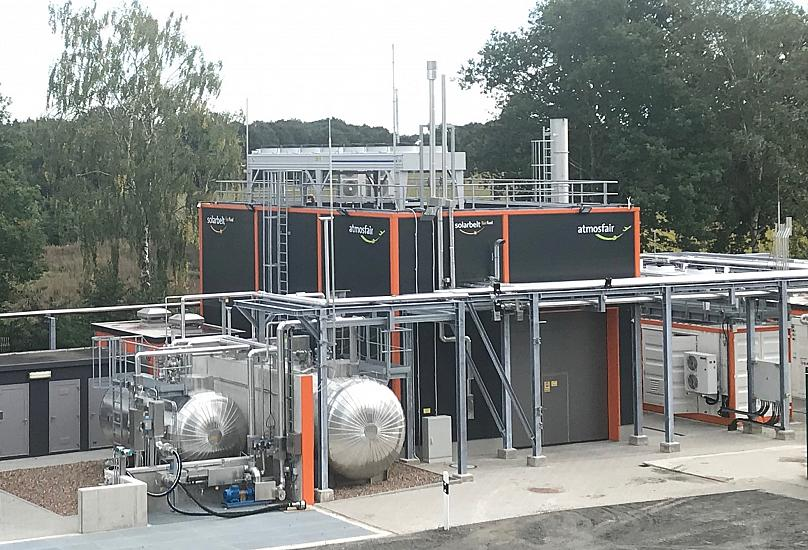
Aviation: Germany Opens World’s First Plant for Clean Jet Fuel on October 4, 2021
S. Jayabarathan B.E. (Hons), P. Eng (Nuclear) Canada
German non-profit organization Atmosfair unveiled on Monday, Oct. 4, 2021 the world’s first commercial plant for producing synthetic kerosene, an environmentally friendly alternative fuel.
According to an ABC News report on the plant unveiling, the aviation industry currently accounts for approximately 2.5 percent of worldwide CO2 emissions, and it is struggling to keep up the pace with other industries that are turning to electrification.
2050 ஆண்டுக்குள் ஜெர்மனி பூஜிய கரிவாயு வெளியேற்றத் திட்டம்
அகில நாட்டு விமானப் பயணக் குழுவகம் [ International Air Transport Association] (IATA) 2021 அக்டோபர் 4 இல் அறிவித்த “2050 ஆண்டுக்குள் பூஜிய கரிவாயு குறிக்கோள்” தகவல் லாபமில்லா அட்மாஸ்ஃபர் தொழிற்துறை [Nonprofit Organization Atmosfair] தனது உலக முதற்பாடு செயற்கைக் கரி நடுமை ஈ-கெரோசின் ஜெட் எஞ்சின் எரித் திரவ ஆலையைத் [Synthetic Carbon-neutral eKerosene Aviation Fuel Plant] திறந்தது. குழுவகம் ஜெர்மனி எம்ஸ்லாந்து [Emsland ] நிலப் பகுதியைத் தேர்வு செய்து 2022 ஆண்டில் எட்டுக் பாரல்கள் [Eight Barrels] ஒரு டன் செயற்கை ஈ-கெரோசின் எரித் திரவம் தயாரிக்கும் என்று அறிவித்தது. விமானப் போக்குவரத்துப் பயணம் பூகோளக் கரிவாயு வெளியேற்றத்தில் 2%-3% பங்களவு பொறுப்பை ஏற்றுக் கொள்ளும். தற்போதுள்ள ஏவியேசன் எரித்திரவத்தில் ஈ-கிரேசினைக் கலந்தால். பேரளவு கரிவாயு வெளிவீச்சைக் குறைக்கும். அதற்கு மீள்புதிப்பு மின்சக்தி பரிமாற காற்றாடி சுழலிகள் [ Electricity from Reusable Wind Turbine] தேவைப்படும். அவ்விதம் தயாராகும் கலப்பு எரித் திரவம், ஜெர்மனியின் லுஃப்தான்ஸா விமானங்களில் நிரப்பப்படும்.
ஜெர்மனியின் விமானங்களுக்கு ஆண்டுக்கு 10 மில்லியன் டன் ஈ-கெரோசின் எரித் திரவம் தேவைப்படும். காலநிலைப் பாதுகாப்புக்கு பச்சை நீரக வாயு [Green Hydrogen] பயன்படுகிறது. பச்சை நீரக வாயு தயாரிக்க பேரளவு மீள்புதிப்பு மின்சக்தி [காற்றாடிச் சுழலிகள்] மின்சாரம் கிடைக்க வேண்டும். செயற்கை ஈ-கெரோசின், ஏவியேசன் எரித்திரம் போல் 4 முதல் 5 மடங்கு விலை மிக்கது. பேரளவு ஆலைகள் தயாரித்தால் விலை குறையலாம். அத்துடன் ஏராளமான காற்றாடிச் சுழலிகள் மின்சாரம் அருகில் கிடைக்க வேண்டும்.
Under the flagship programs of the Government, ‘Advanced Chemistry Cell (ACC) Batteries’ and ‘National Hydrogen Mission’, to cut down on the Green House Gas (GHG) emission under Paris Climate Agreement .
A new dawn ushers on Indian Railways as it endeavors to be self-reliant for its energy needs as directed by the Prime Minister and solarise railway stations by utilizing its vacant lands for Renewable Energy (RE) projects. Railway is committed to utilize solar energy for meeting its traction power requirements and become a complete ‘Green mode of transportation’.
The Ministry of Railways has decided to install solar power plants on its vacant unused lands on mega scale.
The use of solar power will accelerate the Minister of Railways, Piyush Goyal’s mission to achieve conversion of Indian Railways to ‘Net Zero’ Carbon Emission Railway.
Indian Railways present demand would be fulfilled by the solar projects being deployed, making it the first transport organisation to be energy self-sufficient. This would help in making Indian Railways green as well as ‘Atma Nirbhar’.
இந்திய இரயில்தொடர் எஞ்சின்கள் மீள்புதிப்பு எரிசக்தியில் இயங்கத் திட்டங்கள்
இந்திய அரசாங்கத்தின் கீழ் இயங்கும் முற்போக்கு இரசாயன மின்கலன் நிறுவகம் & தேசீய நீரக வாயு நிறுவகம் [Advanced Chemistry Cell Batteries & National Hydrogen Mission] இரண்டும் இணைந்து, 2015 ஆண்டு பாரிஸ் காலநிலை உடன்படிக்கைப்படி, 2030 ஆண்டுக்குள், இந்திய இருப்புப் பாதை வண்டிகள் நீரக வாயு மூல எரிசக்தியில் [Hydrogen Fuell-Based Technology] இயங்கி பூஜிய கரித்தூள் வெளியேற்ற விதியைக் கடைப் பிடிக்கும் என்றோர் திட்டம் உள்ளது. [indian Railway Organization of Alternate Fuel (IROAF)] & [Green Fuel of Indian Railways] நிறுவகங்கள் திட்டத்தை,54 மைல் தூரத்தில் [90 கி.மீ.] உள்ள, வட இரயில்வே சோனிபட்- சிந்து பகுதியில் கட்ட ஆரம்பித்துள்ளன.
திட்ட வேலைகள் டிசைன், வடிவாக்கம், தயாரிப்பு, அனுப்புதல். நிறுவுதல், சோதனை, நீரக வாயு & மின்கல மின்னியல் சாதனம், நீரக வாயு சேமிப்பு, [For 1600 HP Engine DEMUS] .முதலில் 2 டீமஸ் எஞ்சின்கள் மாற்றப்படும். பிறகு 2 ஹைபிரிட் எஞ்சின் மாற்றப்படும். அத்திட்டம் இந்தியாவுக்கு 2.3 கோடி ரூபாய் ஆண்டுக்கு மிஞ்சும் என்று எதிர்பார்க்கப் படுகிறது. அந்த புதிய இரயில் தொடர் ஹரியானாவில் சோனிபட்-சிந்து பகுதியில் முதலில் இயங்கும்.
அடுத்து பரந்த வெளியில் நிறுவி சூரியக் கதிர்ச்சக்தி மின்கலன் ஆற்றலில் இரயில் எஞ்சின்கள் இயங்க ஏற்பாடுகள் தயாராகுகின்றன.
Indian Railways has acted as a pioneer in green energy procurement. It has started energy procurement from various solar projects like 3 MWp solar plant set up at MCF Raebareilly (UP). About 100 MWp rooftop solar systems have already been commissioned on various stations and buildings of Indian Railways.
Besides, one project of 1.7 MWp at Bina (Madhya Pradesh) which shall be connected directly to the Overhead Traction System has already been installed and is presently under extensive testing. It is likely to be commissioned within 15 days. This is the first of its kind project in the world commissioned by Indian Railways in collaboration with Bharat Heavy Electricals Limited (BHEL). It involves adoption of innovative technology for converting Direct Current (DC) to single phase Alternating Current (AC) for feeding directly to Railway’s overhead traction system. The solar power plant has been established near the Bina Traction SubStation (TSS). It can produce approximately 25 lakh units of energy annually and will save around INR 1.37 Crore for Railway every year.
Under the flagship programs of the Government, ‘Advanced Chemistry Cell (ACC) Batteries’ and ‘National Hydrogen Mission’, to cut down on the Green House Gas (GHG) emission under Paris Climate Agreement .
A new dawn ushers on Indian Railways as it endeavors to be self-reliant for its energy needs as directed by the Prime Minister and solarise railway stations by utilizing its vacant lands for Renewable Energy (RE) projects. Railway is committed to utilize solar energy for meeting its traction power requirements and become a complete ‘Green mode of transportation’.
The Ministry of Railways has decided to install solar power plants on its vacant unused lands on mega scale.
The use of solar power will accelerate the Minister of Railways, Piyush Goyal’s mission to achieve conversion of Indian Railways to ‘Net Zero’ Carbon Emission Railway.
Indian Railways present demand would be fulfilled by the solar projects being deployed, making it the first transport organisation to be energy self-sufficient. This would help in making Indian Railways green as well as ‘Atma Nirbhar’.
இந்திய இரயில்தொடர் எஞ்சின்கள் மீள்புதிப்பு எரிசக்தியில் இயங்கத் திட்டங்கள்
இந்திய அரசாங்கத்தின் கீழ் இயங்கும் முற்போக்கு இரசாயன மின்கலன் நிறுவகம் & தேசீய நீரக வாயு நிறுவகம் [Advanced Chemistry Cell Batteries & National Hydrogen Mission] இரண்டும் இணைந்து, 2015 ஆண்டு பாரிஸ் காலநிலை உடன்படிக்கைப்படி, 2030 ஆண்டுக்குள், இந்திய இருப்புப் பாதை வண்டிகள் நீரக வாயு மூல எரிசக்தியில் [Hydrogen Fuell-Based Technology] இயங்கி பூஜிய கரித்தூள் வெளியேற்ற விதியைக் கடைப் பிடிக்கும் என்றோர் திட்டம் உள்ளது. [indian Railway Organization of Alternate Fuel (IROAF)] & [Green Fuel of Indian Railways] நிறுவகங்கள் திட்டத்தை,54 மைல் தூரத்தில் [90 கி.மீ.] உள்ள, வட இரயில்வே சோனிபட்- சிந்து பகுதியில் கட்ட ஆரம்பித்துள்ளன.
திட்ட வேலைகள் டிசைன், வடிவாக்கம், தயாரிப்பு, அனுப்புதல். நிறுவுதல், சோதனை, நீரக வாயு & மின்கல மின்னியல் சாதனம், நீரக வாயு சேமிப்பு, [For 1600 HP Engine DEMUS] .முதலில் 2 டீமஸ் எஞ்சின்கள் மாற்றப்படும். பிறகு 2 ஹைபிரிட் எஞ்சின் மாற்றப்படும். அத்திட்டம் இந்தியாவுக்கு 2.3 கோடி ரூபாய் ஆண்டுக்கு மிஞ்சும் என்று எதிர்பார்க்கப் படுகிறது. அந்த புதிய இரயில் தொடர் ஹரியானாவில் சோனிபட்-சிந்து பகுதியில் முதலில் இயங்கும்.
அடுத்து பரந்த வெளியில் நிறுவி சூரியக் கதிர்ச்சக்தி மின்கலன் ஆற்றலில் இரயில் எஞ்சின்கள் இயங்க ஏற்பாடுகள் தயாராகுகின்றன.
Indian Railways has acted as a pioneer in green energy procurement. It has started energy procurement from various solar projects like 3 MWp solar plant set up at MCF Raebareilly (UP). About 100 MWp rooftop solar systems have already been commissioned on various stations and buildings of Indian Railways.
Besides, one project of 1.7 MWp at Bina (Madhya Pradesh) which shall be connected directly to the Overhead Traction System has already been installed and is presently under extensive testing. It is likely to be commissioned within 15 days. This is the first of its kind project in the world commissioned by Indian Railways in collaboration with Bharat Heavy Electricals Limited (BHEL). It involves adoption of innovative technology for converting Direct Current (DC) to single phase Alternating Current (AC) for feeding directly to Railway’s overhead traction system. The solar power plant has been established near the Bina Traction SubStation (TSS). It can produce approximately 25 lakh units of energy annually and will save around INR 1.37 Crore for Railway every year.
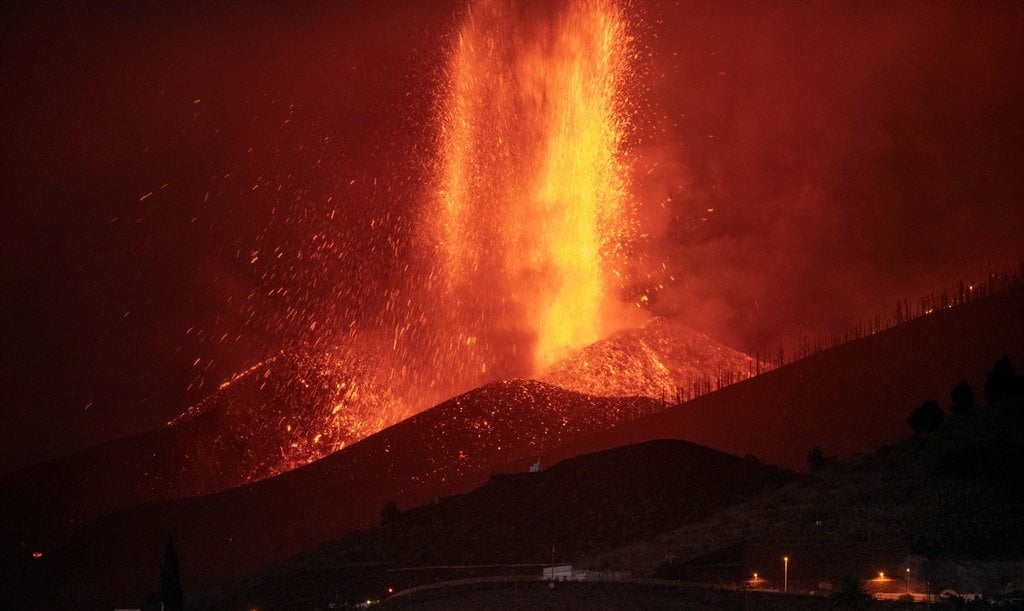
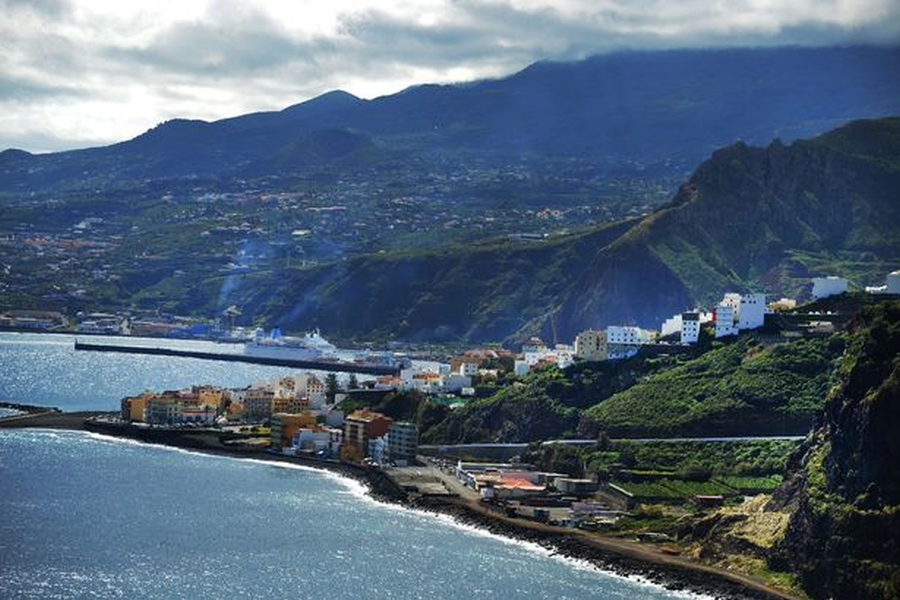
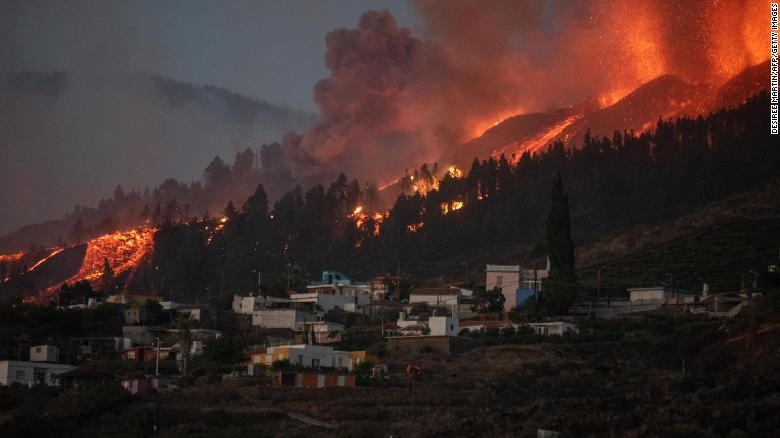
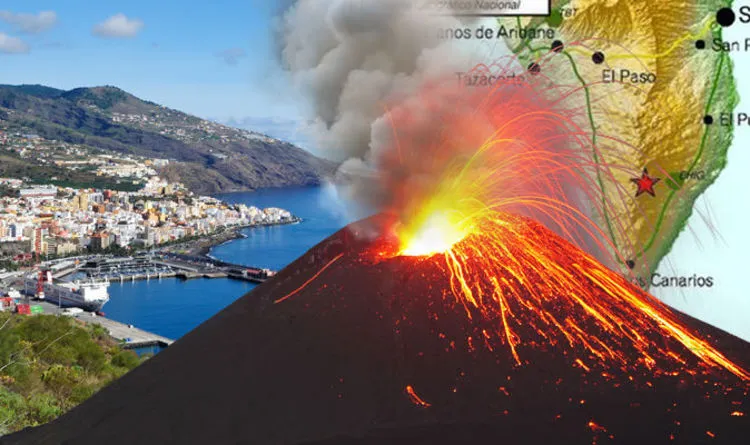
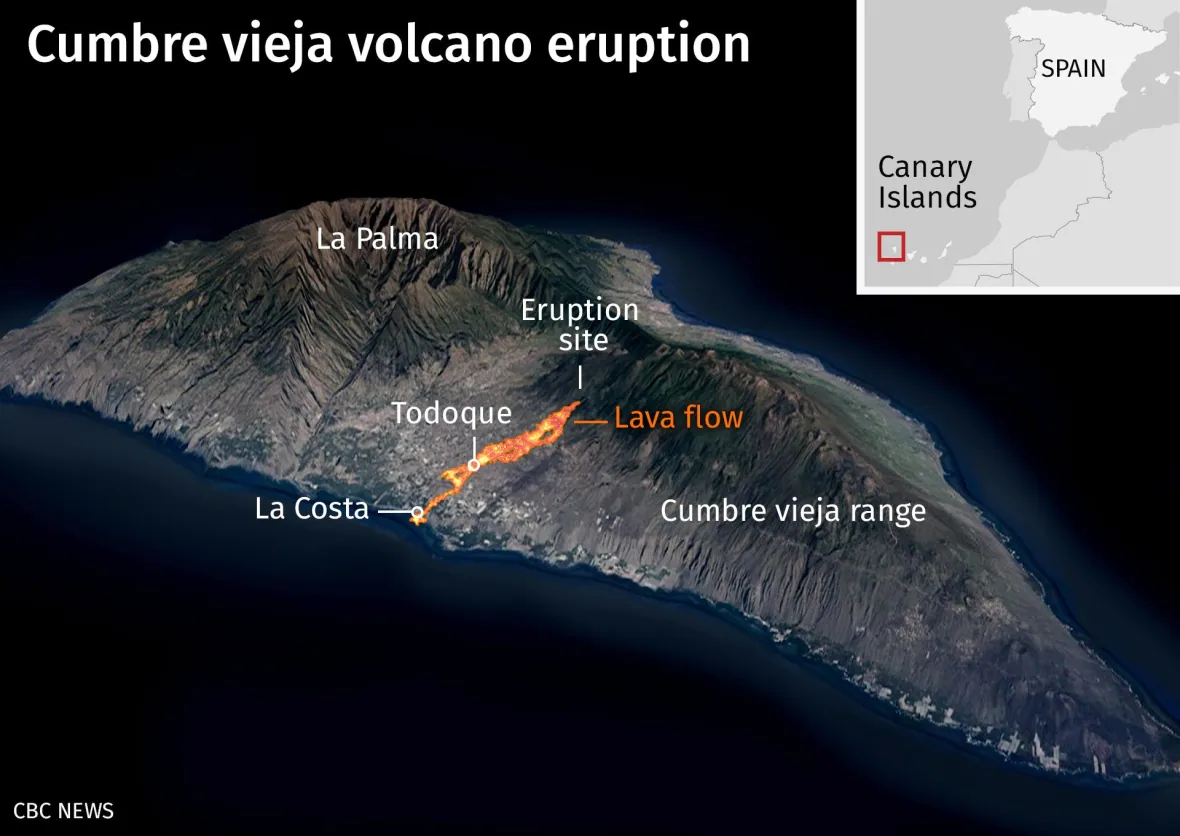
Canary Islands La Palma Volcano [September 19, 2021]
Canary Islands La Palma City
கனேரித் தீவுகளில் சுற்றுலாப் பயணிகள் போற்றும் ல பால்மா நகர் மலைச் சிகரத்தில் எரிமலை எழுச்சி
2021 செப்டம்பர் 19 இல் ஸ்பெயின் நாட்டைச் சேர்ந்த ல பால்மாவில் திடீரெனப் பொங்கி எழுந்த எரிமலை தெரியும் முன்பு சுமார் 4220 நில நடுக்கங்கள் நேர்ந்தன என்று ஸ்பெயின் தேசீயப் பூதளவியல் ஆய்வுக்கூடம் அறிவித்தது. ல பால்மா நகரம் மஞ்சள் எச்சரிக்கை விடுத்து, எரிமலை எழுச்சியை எச்சரித்தது. நாலடுக்கு அபாய அறிவிப்பில் மஞ்சள் ஆரம்ப நிலை எச்சரிக்கை. 11 மில்லியன் கியூபிக் மீட்டர்ஸ் அளவு தீக்குழம்பு கும்பர் வீஜா சரிவுகளில் சில நாட்களில் வழிந்தது.
கனேரித் தீவுகளின் எரிமலைத் துறையக அபாய அறிவிப்பை / எச்சரிக்கை வெளியிட்டு மக்கள் ஒதுங்கிக் கொள்ள வேண்டும் என்று வற்புறுத்தியது. கடந்த ஒன்பது நாட்களில் சுமார் 25,000 மேற்பட்ட நிலநடுக்கங்கள் உணரப் பட்டுள்ளன. தீவிரம் ; 4.2 ரிக்டர். 20 அடி உயர்ந்த லாவா எரிமலைக் குழம்பு சரிவுகளில் உள்ள 185 இல்லங்களை விழுங்கியது. 6000 மக்கள் வீடிழந்து புலம்பெயர்ந்தார். எரிமலைக் குழம்பு உஷ்ணம் 1800 டிகிரி பாரன்ஹீட். நாள் ஒன்றுக்கு எரிமலை வெளியேற்றிய தீவிர வாயு ஸல்ஃபர் டையாக்சைடு 8000 முதல் 105,00 டன் இருக்கலாம்
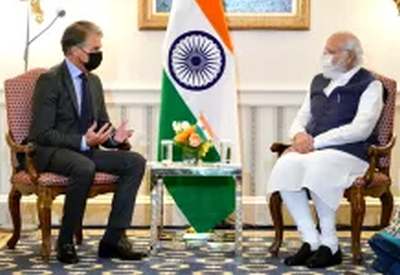
First Solar Company CEO, Mark Widmar recently met Prime Minister Shri Narendra Modi to discuss India’s renewable energy landscape, particularly solar energy potential, and the company’s target of 450 GW by the year 2030.
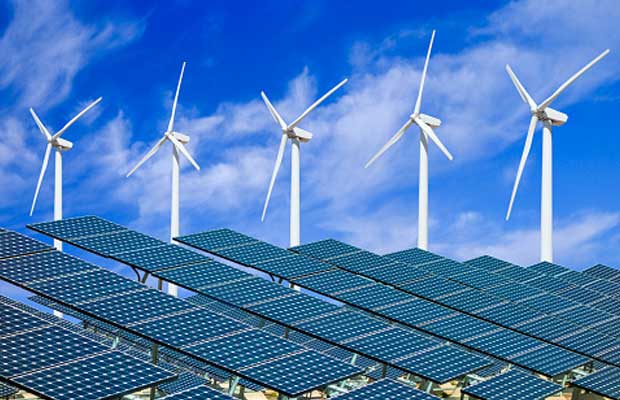
2030 ஆண்டுக்குள் இந்தியா 450,000 MW மீள்புதிப்பு எரிசக்தியில் [சூரிய ஒளிக்கனல் & காற்றாடி மின்சாரம்] [Renewable Energy Solar & Wind Power] உற்பத்தி செய்யும் என்று பிரதம மந்திரி மோடி சமீபத்தில் அறிவிப்பு செய்துள்ளார். தொழிற்துறை ஆலைகள் தொடர்ந்து இயங்க அடிப்பளு மின்சார நிலையங்கள் [Base Load Power Stations], ஏறி இறங்கும் பளு மின்சாரத் தளங்கள் [Swing Load Power Systems] தேவைப்படுகின்றன.
அடிப்பளுத் தேவைக்கு நிலக்கரி நிலையம், நீரழுத்த நிலையம் அல்லது அணுமின் நிலையம் பூர்த்தி செய்யும். கிரீன்ஹௌஸ் வாயுக்கள் எழுச்சி குறைக்க வேண்டுமானால் அணுமின் நிலையங்கள் தகுதி பெறும். இவ்விதம் இயங்கும் இருமுறை எரிசக்தி இணைப்பு ஏற்பாடுகள் பல [ HYBRID ENERGY INTEGRATED SYSTEMS ] உலக நாடுகளில் பரவி வருகின்றன. கரிவாயு குறைப்பு நீடிக்க, கிரீன்ஹௌவுஸ் சேமிப்பு தவிர்க்க வேண்டுமானால் ஹைபிரிட் இணைப்பு எரிசக்தி ஏற்பாடுகளை இந்தியா மேற்கொள்வதை நாம் வரவேற்க வேண்டும்.
இந்தியாவில் ஆறு 1000 MW அணுமின்சக்தி நிலையங்கள், அமெரிக்கன் வெஸ்டிங்ஹவுஸ் நிறுவகம் கட்டப் போகிறது
அமெரிக்கா இந்தியாவில் கட்டும் ஆறு 1000 MWe அணுமின்சக்தி நிலையங்கள்
2020 பிப்ரவரி 20 ஆம் தேதி இந்திய வெளிநாட்டு அமைச்சு செயலாளர் விஜய் கோகலேயும் அமெரிக்க அகில் நாட்டுப் பாதுகாப்பு, ஆயுதக் கட்டுப்பாடு துணைச் செயலாளர் ஆன்டியா தாம்ஸன் ஆகியோர் கலந்துரையாடலில் வெளியான செய்தி இது. பொதுநல அணுசக்திப் பயன்பாட்டில் இருநாட்டுக் கூட்டுறவு உடன்பாட்டின்படி, ஆறு 1000 மெகாவாட் அணுமின்சக்தி நிலையங்களை, அமெரிக்காவின் வெஸ்டிங்ஹவுஸ் நிறுவகம் கட்ட வாஷிங்டன் D.C. இல் ஒப்பந்தம் செய்யப் பட்டுள்ளது. கடந்த பத்தாண்டு களாக, அணுமின் உலை விபத்து இழப்பு நிதி [Indian Liability Rules] யார் அளிப்பது ? அணு உலை இயக்கும் இந்தியாவா ? அல்லது அணு உலை கட்டிய வெஸ்டிங்ஹவுஸா ? [இது போன்று முன்பு போபால் நச்சு வாயுக் கசிவு விபத்தில் துயருற்ற லட்சக் கணக்கான இந்தியருக்கு விபத்து இழப்பு நிதி அளிப்பதில் தர்க்கம் ஏற்பட்டு நோயாளிகள் பெருந்துயர் உற்றார்.] இந்த ஆறு அணு மின்சக்தி நிலையங்கள் ஆந்திராவில் நிறுவகம் ஆகும். இந்தியா 2031 ஆண்டுக்குள் 22,480 மெகாவாட் உற்பத்தி செய்யத் திட்டமிட்டு உள்ளது. 2019 ஆண்டு அணுமின்சார உற்பத்தி அளவு ; 6780 மெகாவாட்.
2008 ஆம் ஆண்டில் அமெரிக்க அதிபர் ஓபாமா உள்ள போது இரண்டு நாடுகளும் ஆரம்ப ஒப்பந்தம் செய்து கொண்டாலும், இப்போது டிரம்ப் காலத்தில்தான் அத்திட்டம் உறுதி செய்யப்பட்டது. “அமெரிக்கர் சாதனத்தை விற்பனை செய்” என்ற டிரம்ப் சுலோகத்தில் முடிவானது இந்த திட்டம். இந்தியா 2024 ஆண்டுக்குள் மின்சக்தி உற்பத்தியை மும்மடங்கு பெருக்க [தற்போது 6700 மெகாவாட்] முனைந்துள்ளது. அமெரிக்கன் 1000 மெகாவாட் ஒரு நிலையம் நிறுவ, குறைந்தது 3 ஆண்டுகள் ஆகலாம். சென்ற ஆண்டில் இந்தியாவும், ரஷ்யாவும் மேலும் ஆறு 1000 மெகாவாட் கூடங்குள மாடல் அணு மின்சக்தி நிலையங்கள் கட்ட ஒப்பந்தம் செய்து கொண்டன. நொடித்துப் போன வெஸ்டிங்ஹவுஸ் நிறுவனத்தைக் கைதூக்க அதிபர் டிரம்ப் இந்தியாவுக்கு பிப்ரவரியில் போகும் போது, இந்த திட்டம் உறுதி ஆகும். ஆயினும் விபத்து இழப்பு நிதி கொடுக்கும் பொறுப்பு யாருடையது என்பது முடிவு செய்யப் படவில்லை.




 November 28, 2011














/cdn.vox-cdn.com/uploads/chorus_asset/file/16185122/gw_graphic_pie_chart_co2_emissions_by_country_2015.png)







 . . . . . நெஞ்சின் அலைகள் . . . . . வையகத் தமிழ் வலைப் பூங்கா


