
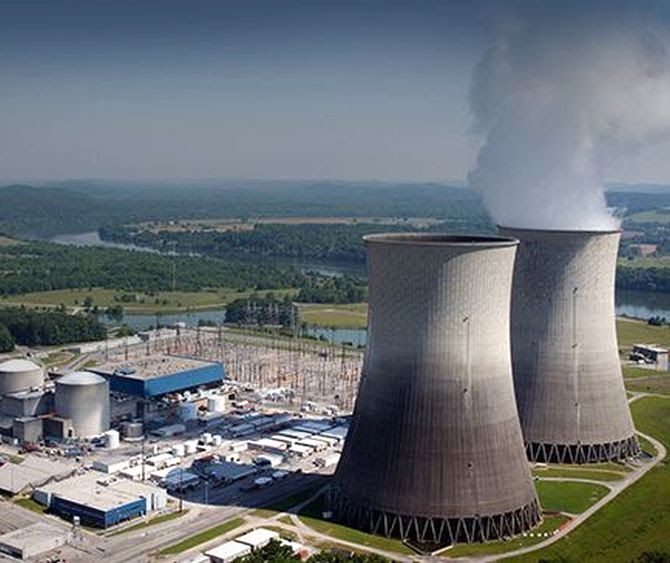
Location: Kakarapar near Vyara, Gujarat
Type or Reactor: Pressurised Heavy Water Reactors (PHWRs)
Capacity: 2×700 MW
KAPP-3&4 is India’s first pair of indigenously designed Pressurised Heavy Water
Reactors (PHWRs) of 700 MW unit size with enhanced safety features, located at
Kakrapar in Gujarat, where two units of 220 MW PHWRs are already in operation.
Unit-3 has been successfully synchronized with Grid and is generating infirm
power. In Unit-4, civil works are completed, installation of major
equipment/components is completed and balance erection, testing and
commissioning works are in progress.A major milestone “Hydro test of Primary
Heat Transport (PHT) system” is completed successfully and further works are in
progress.
Overall View of Kakrapar Site Feeder Erection in KAPP
Kakkrapar – 3 Atomic Power Plant Achieves Criticality on July 22, 2020 in Gujarat India
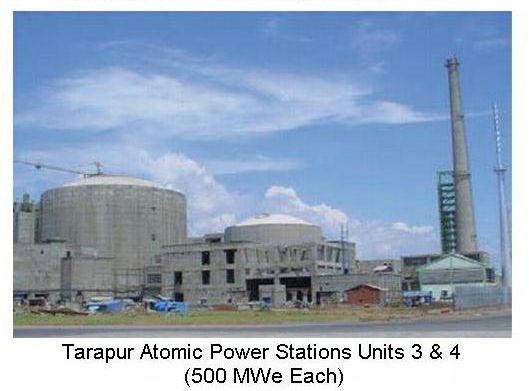
2020 ஜூலை 22 ஆம் தேதி இந்தியாவின் குஜராத் கக்ரபாரா -3 என்னும் புதிய மாபெரும் 700 MWe அணுமின்சக்தி நிலையம் முதல் பூரணத் தொடரியக்கம் புரியத் துவங்கியது. இது கனடாவின் காண்டு [CANDU DESIGN] அணுமின்சக்தி கட்டமைப்பு ஆயினும், இந்தியர் புதிய சாதன, நுணுக்கங்கள், இயக்கங்கள் புகுத்தி நவீனப் பாதுகாப்புச் சுய வடிவ [Indigenous] நிலையமாக டிசைன் செய்து கட்டியுள்ளார். இது பயன்படுத்தும் இயல் யுரேனிய உலோகம், கனநீர் எளிதாகக் கிடைப்பவை. இதே டிசைனில் மகாராஸ்டிரா தாராப்பூரில் கட்டப்பட்டுள்ள இரட்டை யூனிட்டுகள் ஒவ்வொன்றும் 500 MWe மின்சாரத் திறம் உடையவை.
வெற்றிகரமாக அதே முறையில் இயங்கப் போகும் 700 MWe காண்டு இரட்டை யூனிட்டுகள் ராஜஸ்தான் கோட்டாவில் கட்டப் படுகின்றன. கக்ரபாரா -4 உருவாகி வருகிறது. மற்ற சில மாநிலங்களிலும் சேர்ந்து 12 யூனிட்டுகள் 700 MWe அணுமின் நிலையங்கள் 2017 ஆண்டில் நிதி ஒதுக்குப் பெற்றுள்ளன.
பூரணத் தொடரியக்கம் [CRITICALITY] என்றால் என்ன ?
காண்டு அணு உலையில் இயல் யுரேனியம் -238 எரிக்கோலாய் கனநீர்த் தொட்டியில் எழுப்பும் நியூட்ரான்கள், சிறிதளவு உள்ள யுரேனியம் -235 உலோகத்தின் அணுக்களைப் பிளக்கின்றன. ஒரு நியூட்ரான் ஒரு யுரேனிய -235 அணுவைப் பிளந்து வெப்பசக்தியும்,இரு நியூட்ரான்கள் வெளியாகும். இரு நியூட்ரான்கள் இரண்டு யுரேனிய -235 அணுக்களைத் தாக்கி, வெப்ப சக்தியும் 4 நியூட்ரான்கள் உண்டாகும். 2, 4, 8,16, 32, 64 …. என்று பெருக்கு முறையில் நியூட்ரான்கள் பெருகும். அத்துடன் வெப்பசக்தி விரைவில் பெருகி, கதிரியக்கக் கழிவுகளும் மிகும். அதாவது நியூட்ரான்களின் எண்ணிக்கை வெப்பசக்தி பெருக்கத்துக்கு அளவு கோலாகிறது. உருவாகும் நியூட்ரான்கள் சில தப்பி ஓடும். சில கனநீரிலும், கவச உலோகத்திலும் விழுங்கப்படும். அத்துடன் அணு உலை நியூட்ரான்கள் எண்ணிக்கையைக் கட்டுப்படுத்த காட்பியம் கோல்களும் [Cadmium Rods] விழுங்கிக் கோல்களும், [Absorber Rods], உலை நிறுத்தக் கோள்களும் [Shutdown Rods] பயன்படுத்தப் படுகின்றன.
அணுப்பிளவுத் தொடரியக்கம் [Nuclear Fission Chain Reaction] பூரணத்தொடரி யக்கத்தில் [Criticality] துவங்குகிறது. அதாவது அணு உலைத் தொட்டியில் முதலில் தோன்றும் நியூட்ரான்களும், பிளவு செய்யும் நியூட்ரான்களும் சமாக இருக்கும்படி செய்வது.
அடுத்தது மீறும் தொடரியக்கம் [Super Critical]. உருவாகும் நியூட்ரான்கள் எண்ணிக்கை, பயன்பாட்டு எண்ணிக்கை விட அதிகமாகி வெப்ப சக்தி மிகுதி ஆவது. அதுபோல் உருவாகும் நியூட்ரான்கள் குறைந்தால் ஆறும் தொடரியக்கம் [Sub Critical Reaction] வெப்பசக்தி குன்றச் செய்யும்.
அணு உலையில் உருவாகும் பெரும்பான்மை நியூட்ரான்கள் விழுங்கப் பட்டால் உலை நின்று விடும். [Reactor Shutdown]
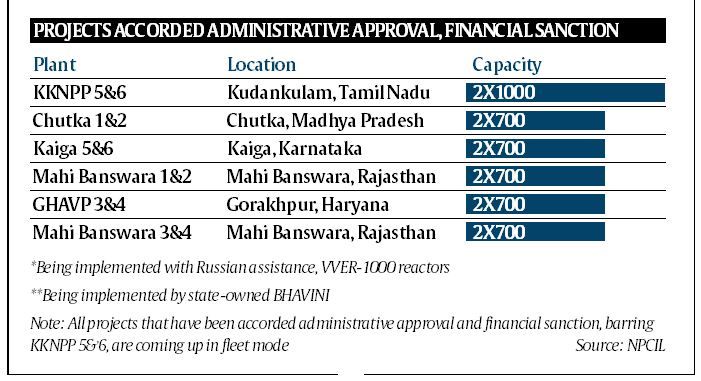
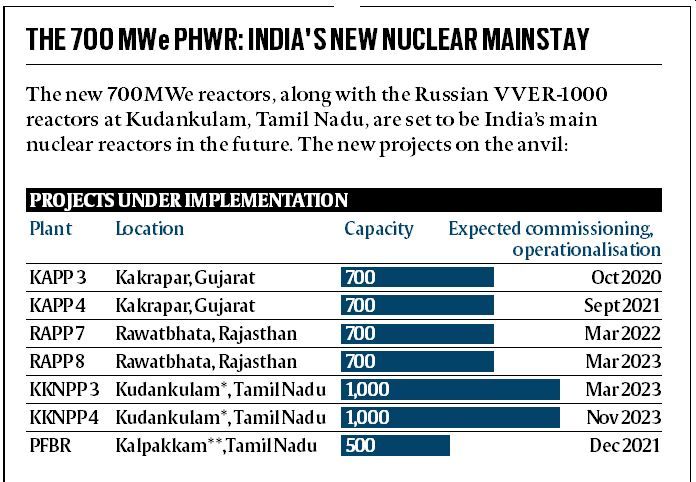
தற்போது இந்தியாவில் 23 அணுமின் நிலையங்கள் 6780 MWe உற்பத்தி செய்து வருகின்றன. இந்தியாவின் குறிக்கோள் 2031 ஆண்டுக்குள் 22,480 MWe தகுதியுள்ள அணுமின் நிலையங்கள் கட்ட வேண்டும் என்பதே. அவற்றுள் 12 நிலையங்கள் 700 MWe திறம் கொண்டவையாக இருக்கும். ஒரு 700 MWe யூனிட் கட்ட சுமார் 10 ஆண்டுகள் எடுக்கும். இரட்டை யூனிட் கட்ட நிதிச் செலவு சுமார் 11,500 கோடி ரூபாய். யூனிட் விலை வீதம் : 2.80 ரூ /kwh [2010 நாணய மதிப்பு] அணுமின் நிலையம் விலை : ரூ 8 கோடி/ MWe [2010 .நாணய மதிப்பு.].
Base Load Power Plant
Base Load Power Plant

Nuclear power plants may take many hours, if not days, to startup or to change their power output. Modern power plants can and do operate as load following power plants and alter their output to meet varying demands. But base load operation is the most economical and technically simple mode of operation. It is primarily due to the fact, they require a long period of time to heat up the nuclear steam supply system and the turbine-generator to operating temperature. From this point of view power plant generally are divided into two basic categories:
- Base Load Power Plant
- Load Following Power Plant
Base Load Power Plant

In general, nuclear power plants (NPPs) have been considered as base load sources of electricity as they rely on a technology with low variable costs and high fixed costs. This is the most economical and technically simple mode of operation. In this mode, power changes are limited to frequency regulation for grid stability purposes and shutdowns for safety purposes. Different plants and technologies may have differing capacities to power changes on demand. Base load power plants are generally run at close to maximum output (100% of rated power) continuously (apart from maintenance, refueling outages). During refueling, every 12 to 18 months, some of the fuel – usually one third or one quarter of the core – is replaced by a fresh fuel assemblies. After refueling the reactor is usually started up and operated again at nominal power.
Although most of nuclear power plants were designed as base load power plants, today, the utilities have had to implement or to improve the manoeuvrability capabilities of their NPPs in order to be able to adapt electricity supply to daily, seasonal or other variations in power demand. It is due to the share of nuclear power in the national electricity mix of some countries has become large, and due to the significant increase renewable energy sources. References:
- https://www.npcil.nic.in/writereaddata/CMS/202212140133183171845KAPP_3_4_english.pdf
- https://www.npcil.nic.in/writereaddata/CMS/202212140136279797374RAPP_7_8_english.pdf
தகவல் :
S. Jayabarathan [June 6, 2023] [R-2]


Base Load Power Plant
Base Load – Load Follow – Peak Load
Base Load vs Peak Load Power Plants
Nuclear power plants may take many hours, if not days, to startup or to change their power output. Modern power plants can and do operate as load following power plants and alter their output to meet varying demands. But base load operation is the most economical and technically simple mode of operation. It is primarily due to the fact, they require a long period of time to heat up the nuclear steam supply system and the turbine-generator to operating temperature. From this point of view power plant generally are divided into two basic categories:
Base Load Power Plant
Load Following Power Plant
Base Load Power Plant
Electricity Generation by SourceIn general, nuclear power plants (NPPs) have been considered as base load sources of electricity as they rely on a technology with low variable costs and high fixed costs. This is the most economical and technically simple mode of operation. In this mode, power changes are limited to frequency regulation for grid stability purposes and shutdowns for safety purposes. Different plants and technologies may have differing capacities to power changes on demand. Base load power plants are generally run at close to maximum output (100% of rated power) continuously (apart from maintenance, refueling outages). During refueling, every 12 to 18 months, some of the fuel – usually one third or one quarter of the core – is replaced by a fresh fuel assemblies. After refueling the reactor is usually started up and operated again at nominal power.
Although most of nuclear power plants were designed as base load power plants, today, the utilities have had to implement or to improve the manoeuvrability capabilities of their NPPs in order to be able to adapt electricity supply to daily, seasonal or other variations in power demand. It is due to the share of nuclear power in the national electricity mix of some countries has become large, and due to the significant increase renewable energy sources.
இந்த பதிவை படித்து மகிழும் நீங்களும் இதுபோன்று Blog ஆரம்பித்து Google Adsense மூலமாக பணம் சம்பாதிக்க தமிழில் Blogging முறையாக கற்றுக்கொண்டு தங்களது ப்ளோகை Google Search ல் முதலிடம் பிடிக்க இந்த பதிவை படிக்கவும் https://www.techhelpertamil.xyz/2020/09/how-to-write-seo-friendly-blog-post-in-tamil.html இந்த பதிவானது Google Rank ல் முதலிடத்தில் உள்ளது. சந்தேகமிருந்தால் ” how to write seo post in tamil ” என்று தேடவும். முதலிடத்தில் நமது போஸ்ட் தென்படும். Tech Helper Tamil ஐ பாருங்கள்