
இந்திய விண்ணுளவி சந்திரயான் – 3 நிலவை நோக்கி வெற்றிகரமாய் ஏவப்பட்டது

This entry is part 1 of 7 in the series 16 ஜூலை 2023
Chandrayaan-3: India’s historic Moon mission lifts off successfully
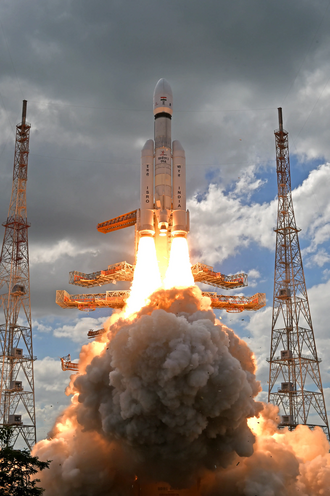
நிலாவில் இறங்கும் சந்தரயான் – 3 தளவுளவி & நகரும் தளவூர்தி
India launches historic Chandrayaan-3 mission to land spacecraft on the moon (yahoo.com)
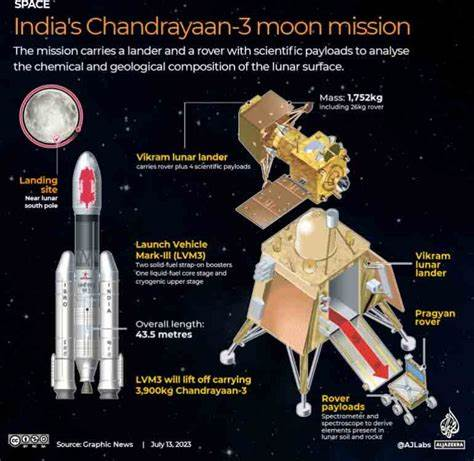
சந்திரயான் -3 ராக்கெட், விண்ணுளவி, தளவுளவி, தளவூர்தி
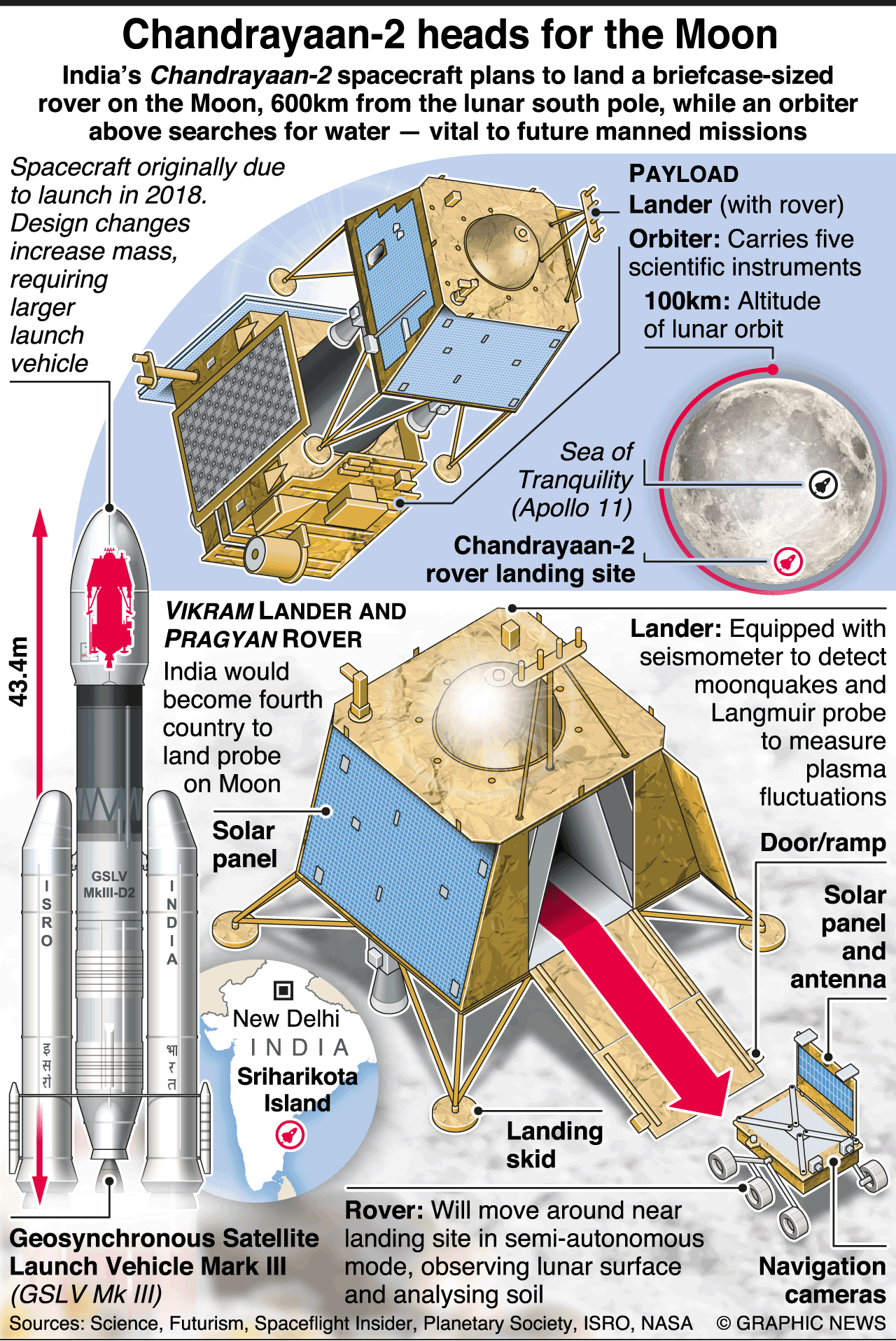
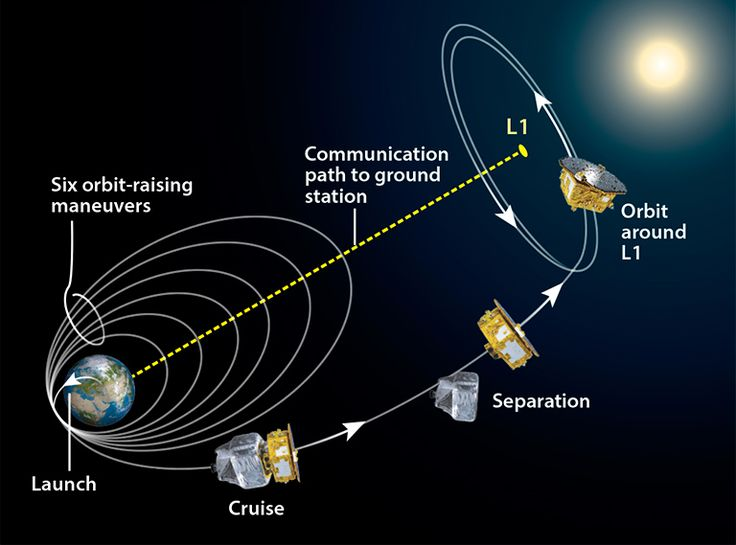
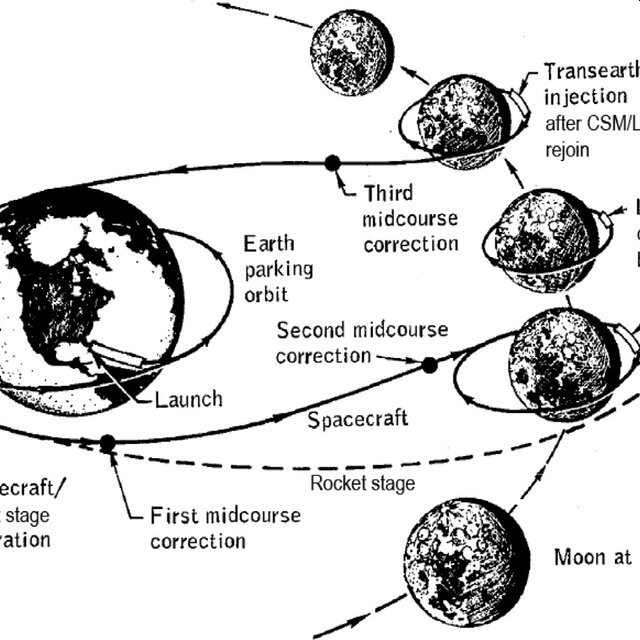
நிலவு நோக்கி ராக்கெட் போக்கு
சந்திரயான் -3 தளவுளவி
விண்ணுளவி நிலவுப் பயணப் பாதை2023 ஆண்டில் இந்தியா சந்திரயான் – 3 விண்சுற்றி அனுப்பி நிலாவில் தளவுளவி, தளவூர்தி இறக்கப் போகிறது.2023 ஜூலை 14 ஆம் தேதி இந்திய விண்வெளி ஆணையகம் சந்திரயான் -3 விண்ணுளவியை நிலவை நோக்கி வெற்றிகர மாக ஏவியுள்ளது. அத்திட்டத்தின் குறிப்பணி, விண்ணுளவி நிலவை நெருங்கிச் சுற்றி, தென்துருவத்தில் ஒரு தளவுளயை மெதுவாக இறக்கிய பின்பு, அதிலிருந்து ஒரு தளவூர்தி வெளிவரும். அந்த விண்வெளி நிகழ்ச்சி 2023 ஆகஸ்டு மாதம் 24 ஆம் தேதி நிகழும். வெற்றிகரமாக அது நிகழ்ந்தால் இந்தியா அமெரிக்கா, ரஷ்யா, சைனா நாடுகளோடு நான்காவது இடத்தைப் பெறும். இதே குறிப்பணியில் ஏவப்பட்ட சந்திரயான் -2 முழு வெற்றி அடையாது, தளவுளவி நிலவின் தரையில் மோதி முறிந்து தோல்வி யுற்றது.
சந்திரயான் -3 விண்ணுளவியின் எடை 3900 கி கிராம். விகரம் என்னும் பெயருடைய தளவுளவி யின் எடை 1500 கி.கிராம். பிரஞ்யான் என்னும் பெயருடைய தளவூர்தி சந்திரயான் -3 திட்டச் செலவு 75 மில்லியன் டாலர் [சுமார் ரூபாய். 6 பில்லியன்] [2023 நாணய மதிப்பு]. இதுவரை இறங்கித் தேடாத நிலவின் தென்துருவத்தில், விகரம் இறங்கி, தளவூர்தி ஆய்வுகள் புரிந்து பூமிக்குத் தவவல் அனுப்பும்.
பூமியின் 15 நாட்கள், நிலவின் ஒருநாள் ஆகும். அதாவது சூரிய வெளிச்சம் 15 நாள் நிலவில் தெரியும். 15 நாட்கள் இருள் மயம். சூரிய சக்தியில் இயங்கும் தளவுளவியும், தளவூர்தியும் 15 நாட்கள் இயங்கும். 15 நாட்கள் முடங்கும்.. சந்திரியான் -3 குறிப்பணி வெற்றி அடைந்தால், அடுத்து விமானிகள் ஓட்டும் விண்வெளிச் சுற்றுப் பயணத்தை முயலும்..
1. Chandrayaan-3: India’s historic Moon mission lifts off successfully – BBC News
2. India launches historic Chandrayaan-3 mission to land spacecraft on the moon (yahoo.com)
3. https://www.space.com/chandrayaan-3-indian-moon-mission-rover#section-chandrayaan-3-mission-goals
****************************************
Chandrayaan-3 Update: ISRO Successfully Completes Translunar Injection of the Lunar Spacecraft
Chandrayaan -3 Lander Module with Rover during Trans Lunar Injection
2023 ஜூலை 14 இல் நிலவை நோக்கி ஏவிய இந்திய விண்சிமிழ் சந்திரயான் – 3 ஆகஸ்டு 5 ஆம் நாள் எங்கே பயணம் செய்கிறது ? என்ன நிகழ்கிறது ? விண்சிமிழ் பூமியை ஐந்து முறை நீள்வட்டப் பாதையில் சுற்றி, ஒவ்வொரு முறையும் பூமியின் சுழல்வீச்சு உந்துவிசையால் வேகம் மிகுந்து, நீள்வட்டப் பாதை நீண்டு, நீண்டு நிலவை நெருங்கியது. ஆகஸ்டு முதல் தேதி, சிறு தள்ளுவிசை ஏவு கணைகள் அரை மணி நேரம் இயங்கி, விண்சிமிழ் நிலவு ஈர்ப்பு மண்டலத்தில் தாவி [Trans Lunar Orbit] உள்ளது.
Chandrayaan -2 Orbiter has been used in Chandrayaan -3 to trasmit the message.
இந்திய விண்வெளி ஆய்வு ஆணையகம் இஸ்ரோ [ISRO] ஆகஸ்டு 23-24 தேதி நாட்களில் சந்திரயான் தளவுளவி நிலவில் மெதுவாய் இறங்கும், அடுத்து அதிலிருந்து, தளவூர்தி வெளியேறி நிலவில் நகரும் என்று எதிர்நோக்கி இருக்கிறது. அவ்விதம் நிகழும் அந்த வரலாற்று மைல்கல் நிகழ்ச்சியைப் பதிவு செய்யும் ஓர் அற்புதக் கருவி ஆல்ஃபா துகள் எக்ஸ்ரே ஒளிப்பட்டை மானி [Alpha Particle X-Ray Spectrometer] விண்சிமிழ் தளவுளவி, தளவூர்தி யில் இணைக்கப் பட்டுள்ள மற்ற கருவிகள் நிலவின் புழுதி இரசாயனக் கலவைகளை அறிந்து பூமிக்கு அனுப்பும். சந்திராயன் -2 2019 இல் ஏவிய விண்சுற்றி [Orbiter] இன்னும் நிலவைச் சுற்றி இயங்கி வருவதால், அடுத்து சந்திராயன் -3 திட்டத்தில் விண்சுற்றி ஒன்று இணைக்கப் படவில்லை.
2019 இல் ஏவிய சந்திரயான் -2 தளவுளவி பழுதுகள் ஏற்பட்டு நிலவில் விழுந்து முறிந்து போனது. இம்முறை அவ்விதத் தவறுகள் நிகழா என்று இஸ்ரோ எதிர்பார்க்கிறது.
Chandrayaan -3 Trans Lunar Injection on August 1, 2023
| Chandrayaan-3 Integrated Module in clean room | |
| Operator | ISRO |
|---|---|
| COSPAR ID | 2023-098A |
| SATCAT no. | 57320 |
| Website | www.isro.gov.in/Chandrayaan3_New.html |
| Mission duration | 19 days (elapsed) Propulsion module: ≤ 3 to 6 month (planned) Vikram lander: ≤ 14 days (planned) Pragyan rover: ≤ 14 days (planned) |
| Spacecraft properties | |
| Bus | Chandrayaan |
| Manufacturer | ISRO |
| Launch mass | 3900 kg |
| Payload mass | Propulsion Module: 2148.00 kg Lander Module (Vikram): 1752 kg including Rover (Pragyan) of 26 kg Total: 3900.00 kg |
| Power | Propulsion Module: 758 W Lander Module: 738W, WS with Bias Rover: 50W |
| Start of mission | |
| Launch date | 14 July 2023 14:35:17 IST, (9:05:17 UTC)[1][2] |
| Rocket | LVM3 M4 |
| Launch site | Satish Dhawan Space Centre |
| Contractor | ISRO |
| Moon lander | |
| Spacecraft component | Rover |
| Landing date | 23 August 2023 17:47 IST, (12:17 UTC)[3][4] |
| Landing site | 69.367621 S, 32.348126 E[5] |
(between Manzinus C and Simpelius N craters)[6] | |
Chandrayaan-3 mission patchChandrayaan programme← Chandrayaan-2Lunar Polar Exploration Mission → | |
Chandrayaan-3 is the third and most recent lunar Indian Space Research exploration mission under the Chandrayaan programme. It consists of a lander named Vikram and a rover named Pragyan similar to Chandrayaan-2, but does not have an orbiter. Its propulsion module behaves like a communication relay satellite. The propulsion module carries the lander and rover configuration until the spacecraft is in a 100 km lunar orbit.[7][8]
Following Chandrayaan-2, where a last-minute glitch in the landing guidance software led to the lander crashing after entering lunar orbit, another lunar mission was proposed.[9]
The launch of Chandrayaan-3 took place on 14 July 2023, at 2:35 pm IST[10] and lunar injection of 100 km circular polar orbit was completed successfully as part of phase one.[2][11] The lander and rover are expected to land near the lunar south pole region on 23 August 2023.[12]
The Chandrayaan-3 mission is a stepping stone towards ISRO’s future interplanetary missions. The key idea is technology demonstration of crucial capability to soft land on lunar surface safely that the earlier mission could not achieve[13].
Background[edit]
As part of the Chandrayaan programme to demonstrate soft landing on the Moon, ISRO launched Chandrayaan-2 on board a Launch Vehicle Mark-3 (LVM3) launch vehicle consisting of an orbiter, a lander and a rover.[14] The lander was scheduled to touchdown on the lunar surface in September 2019 to deploy the Pragyan rover.[15][16]
The European Space Tracking (ESTRACK) operated by European Space Agency (ESA) will support the mission according to a contract. Under the new cross-support arrangement, ESA tracking support could be provided for upcoming ISRO missions such as those of India’s first human spaceflight programme, Gaganyaan, the Chandrayaan-3 lunar lander and the Aditya-L1 solar research mission. In return, future ESA missions will receive similar support from ISRO’s own tracking stations.[17]
Objective[edit]
ISRO has set three main objectives for the Chandrayaan-3 mission, which include:
- Getting a lander to land safely and softly on the surface of the Moon.
- Observing and demonstrating the rover’s loitering capabilities on the Moon.
- In-site observation & conducting experiments on the materials available on the lunar surface to better understand composition of the Moon.[18]
Design[edit]

Chandrayaan-3 comprises three main components:
Propulsion Module:

The propulsion module will carry the lander and rover configuration till 100 km lunar orbit. It is a box-like structure with one large solar panel mounted on one side and a large cylinder on top (the Intermodular Adapter Cone) that acts as a mounting structure for the lander. [8][7]
Lander:

The lander is responsible for the soft landing on the Moon. It is also box-shaped, with four landing legs and four landing thrusters of 800 newtons each. It will be carrying the rover and various scientific instruments to perform in-site analysis.
The lander for Chandrayaan-3 will have only four throttle-able engines, unlike Vikram on Chandrayaan-2 which had five 800 Newtons engines with a fifth one being centrally mounted with a fixed thrust.[citation needed] Additionally, the Chandrayaan-3 lander will be equipped with a Laser Doppler Velocimeter (LDV).[19] The impact legs are made stronger compared to Chandrayaan-2 and increased instrumentation redundancy. ISRO is working on improving the structural rigidity and adding multiple contingency systems.[20]
Rover:

Chandrayaan-3 Rover Overview:
- Six-wheeled design
- Weight of 26 kilograms (57 pounds)
- Range of 500 metres (1,600 ft)
- Dimensions : 917 millimetres (3.009 ft) x 750 millimetres (2.46 ft) x 397 millimetres (1.302 ft)
- Scientific instruments including cameras, spectrometers, and a drill
- Expected lifespan of one lunar day (14 Earth days)
- Communication with the lander and ground control team in India
The Chandrayaan-3 Rover is expected to make a number of important scientific discoveries, including:
- The composition of the lunar surface
- The presence of water ice in the lunar soil
- The history of lunar impacts
- The evolution of the Moon’s atmosphere
Instruments[edit]
Lander
- Chandra’s Surface Thermophysical Experiment (ChaSTE) will measure the thermal conductivity and temperature of the lunar surface.
- Instrument for Lunar Seismic Activity (ILSA) will measure the seismicity around the landing site.
- Langmuir Probe (LP) will estimate the plasma density and its variations.[21]
Rover
- Alpha Particle X-Ray Spectrometer (APXS) will derive the chemical composition and infer mineralogical composition of the lunar surface.
- Laser Induced Breakdown Spectroscope (LIBS) will determine the elemental composition (Mg, Al, Si, K, Ca, Ti, Fe) of lunar soil and rocks around the lunar landing site.[22]
Propulsion Module
- Spectro-polarimetry of Habitable Planet Earth (SHAPE) to study the spectral and polarimetric measurements of Earth from the lunar orbit in the near-infrared (NIR) wavelength range (1-1.7 μm).[8][7]

Alpha Particle X-Ray Spectrometer (APSX) payload on the Rover

Chandra’s Surface Thermophysical Experiment (ChaSTE) payload on the Lander

Instrument for Lunar Seismic Activity (ILSA) payload on the Lander

Laser Induced Breakdown Spectroscope (LIBS) payload on the Rover

Langmuir Probe (RAMBHA-LP) payload on the Lander

Spectro-polarimetry of Habitable Planet Earth (SHAPE) payload on the Propulsion Module.
Launch[edit]
_of_SDSC-SHAR,_Sriharikota_03.webp)
Chandrayaan-3 was launched on 14 July 2023, at 2:35 pm IST as scheduled, from Satish Dhawan Space Centre Second Launch Pad in Sriharikota, Andhra Pradesh, India. The spacecraft has been effectively placed in the trajectory it will take to reach the moon. It is anticipated that the Chandrayaan-3 mission will achieve a soft landing on the lunar South Pole region on 23 August.[23]
Choosing the month of July for the launch of Chandrayaan 3 was a special move because of a calculation made by ISRO regarding the closeness of Earth and Moon.[24]
Mission profile[edit]
Animation of Chandrayaan-3


wonderful article. send notification whenever such kind of article is added